
What is Command and Control Infrastructure
Introduction
When you hear the term "Command and Control Infrastructure," you might wonder what it really means and why it’s important. Whether you’re interested in cybersecurity, military operations, or technology, understanding this concept can help you grasp how complex systems are managed and controlled.
In this article, I’ll explain what Command and Control Infrastructure is, how it functions, and why it plays a crucial role in both digital security and defense. You’ll also learn about its components, challenges, and real-world examples that show its impact today.
What is Command and Control Infrastructure?
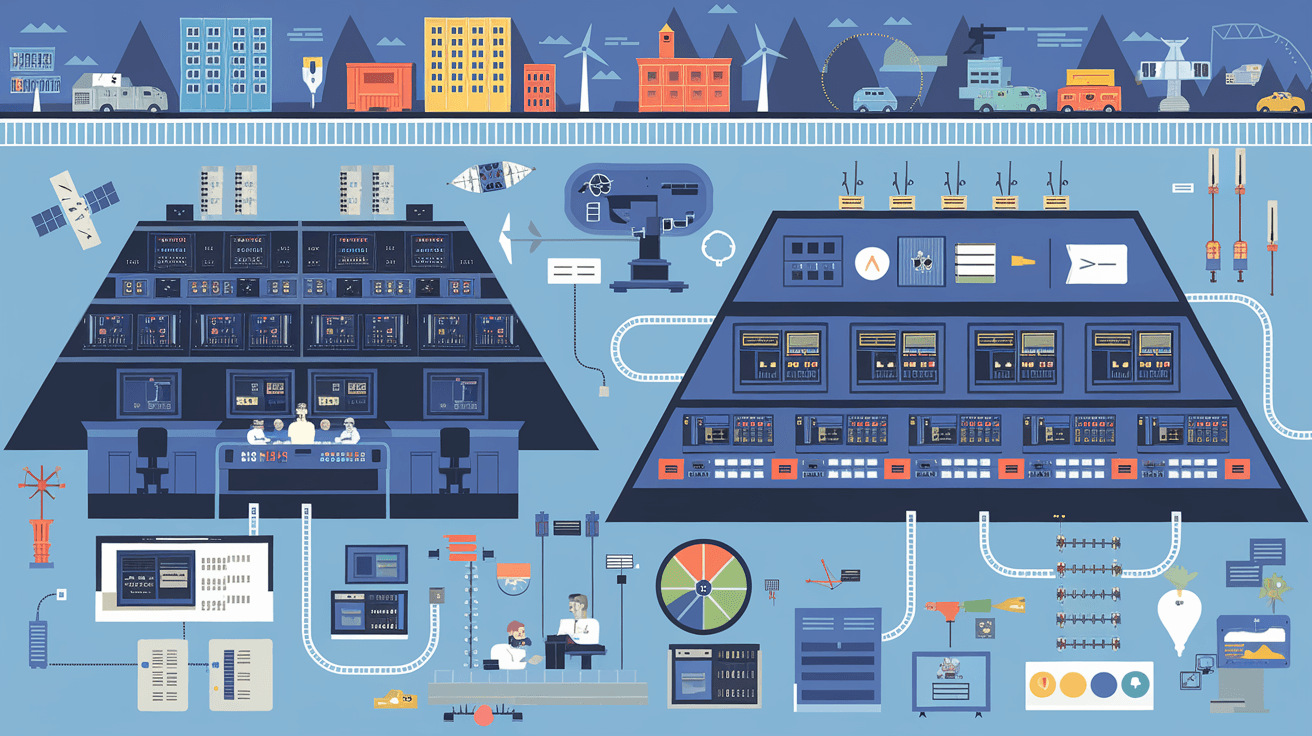
Command and Control Infrastructure, often called C2 infrastructure, refers to the systems and networks used to direct, manage, and communicate with various units or devices. It’s a backbone that allows leaders or operators to send commands and receive information in real time.
This infrastructure is essential in many fields:
- Military: It helps commanders coordinate troops, vehicles, and weapons.
- Cybersecurity: It controls malware or botnets remotely.
- Emergency management: It directs first responders during crises.
At its core, C2 infrastructure combines hardware, software, and communication channels to ensure smooth and secure control over operations.
Components of Command and Control Infrastructure
To understand how C2 infrastructure works, it’s helpful to look at its main parts:
- Command Centers: Physical or virtual hubs where decisions are made.
- Communication Networks: Secure channels like satellite links, radio, or the internet.
- Control Systems: Software platforms that process data and issue commands.
- Sensors and Devices: Units that collect information and execute orders.
- Data Storage: Systems that keep logs and intelligence for analysis.
Each component plays a role in maintaining situational awareness and enabling quick responses.
How Command and Control Infrastructure Works
The process of command and control involves several steps:
- Data Collection: Sensors and units gather information from the environment.
- Data Transmission: This data is sent to the command center via secure networks.
- Decision Making: Operators analyze the data and decide on actions.
- Command Issuance: Commands are sent back to units or devices.
- Execution: Units carry out the orders and report back.
This cycle repeats continuously, allowing for dynamic and adaptive management.
Command and Control in Cybersecurity
In cybersecurity, Command and Control Infrastructure has a different but related meaning. It refers to the systems hackers use to control malware or botnets remotely.
- Botnets: Networks of infected computers controlled by attackers.
- C2 Servers: Central servers that send instructions to malware.
- Communication Protocols: Methods like HTTP, HTTPS, or custom protocols to hide commands.
Cybersecurity experts monitor and disrupt these infrastructures to prevent attacks like data theft or ransomware.
Challenges in Command and Control Infrastructure
Managing C2 infrastructure comes with several challenges:
- Security Risks: C2 systems are prime targets for cyberattacks.
- Communication Delays: Latency can affect decision-making speed.
- Complexity: Integrating diverse systems and devices is difficult.
- Reliability: Infrastructure must work under harsh conditions.
- Scalability: It should handle growing numbers of units or devices.
Addressing these challenges requires advanced technology and skilled personnel.
Real-World Examples of Command and Control Infrastructure
Here are some examples that show how C2 infrastructure is used today:
- Military Operations: NATO uses advanced C2 systems to coordinate multinational forces.
- Disaster Response: FEMA’s command centers manage emergency teams during hurricanes.
- Cyber Defense: Companies use Security Operations Centers (SOCs) to monitor threats.
- Botnet Takedowns: Law enforcement agencies disrupt C2 servers to stop cybercrime.
These examples highlight the importance of effective command and control in various sectors.
Future Trends in Command and Control Infrastructure
Looking ahead, C2 infrastructure is evolving with new technologies:
- Artificial Intelligence: AI helps analyze data faster and suggest decisions.
- Cloud Computing: Cloud platforms offer scalable and flexible control systems.
- 5G Networks: Faster communication improves real-time command capabilities.
- Quantum Encryption: Enhances security of communication channels.
- Autonomous Systems: Drones and robots can operate with minimal human input.
These trends will make command and control more efficient and secure.
How You Can Improve Command and Control Infrastructure
If you’re involved in managing C2 systems, here are some tips to enhance your infrastructure:
- Invest in Cybersecurity: Protect your networks from attacks.
- Use Redundant Communication: Have backup channels to avoid failures.
- Train Personnel: Ensure operators understand the systems well.
- Update Software Regularly: Keep control systems patched and current.
- Monitor Continuously: Use real-time monitoring to detect issues early.
These steps help maintain reliable and secure command and control.
Conclusion
Command and Control Infrastructure is a vital part of managing complex operations, whether in the military, cybersecurity, or emergency response. It connects decision-makers with units and devices, enabling coordinated and timely actions.
Understanding its components, challenges, and future trends can help you appreciate how critical this infrastructure is. By improving security, communication, and technology, we can ensure that command and control systems remain effective in an increasingly connected world.
FAQs
What is the main purpose of Command and Control Infrastructure?
Its main purpose is to enable leaders or operators to direct and manage units or devices efficiently through secure communication and control systems.
How does Command and Control Infrastructure relate to cybersecurity?
In cybersecurity, it refers to the systems hackers use to control malware remotely, and defenders work to detect and disrupt these infrastructures.
What are common communication methods in C2 infrastructure?
Common methods include satellite links, radio frequencies, internet protocols like HTTP/HTTPS, and encrypted channels.
Why is security important in Command and Control Infrastructure?
Because these systems control critical operations, any breach can lead to severe consequences like data loss, operational failure, or compromised safety.
How is AI changing Command and Control Infrastructure?
AI helps analyze large data sets quickly, supports decision-making, and can automate routine control tasks, improving efficiency and response times.




