
What is Code Injection
Introduction
You might have heard about code injection as a serious security risk for websites and applications. But what exactly is code injection, and why should you care? In simple terms, code injection happens when an attacker tricks a program into running harmful code. This can lead to data theft, system damage, or even full control over your application.
In this article, I’ll explain what code injection is, how it works, and the common types you should know about. I’ll also share practical ways you can protect your apps and websites from these attacks. By the end, you’ll understand why code injection is a big deal and how to keep your digital space safe.
What is Code Injection?
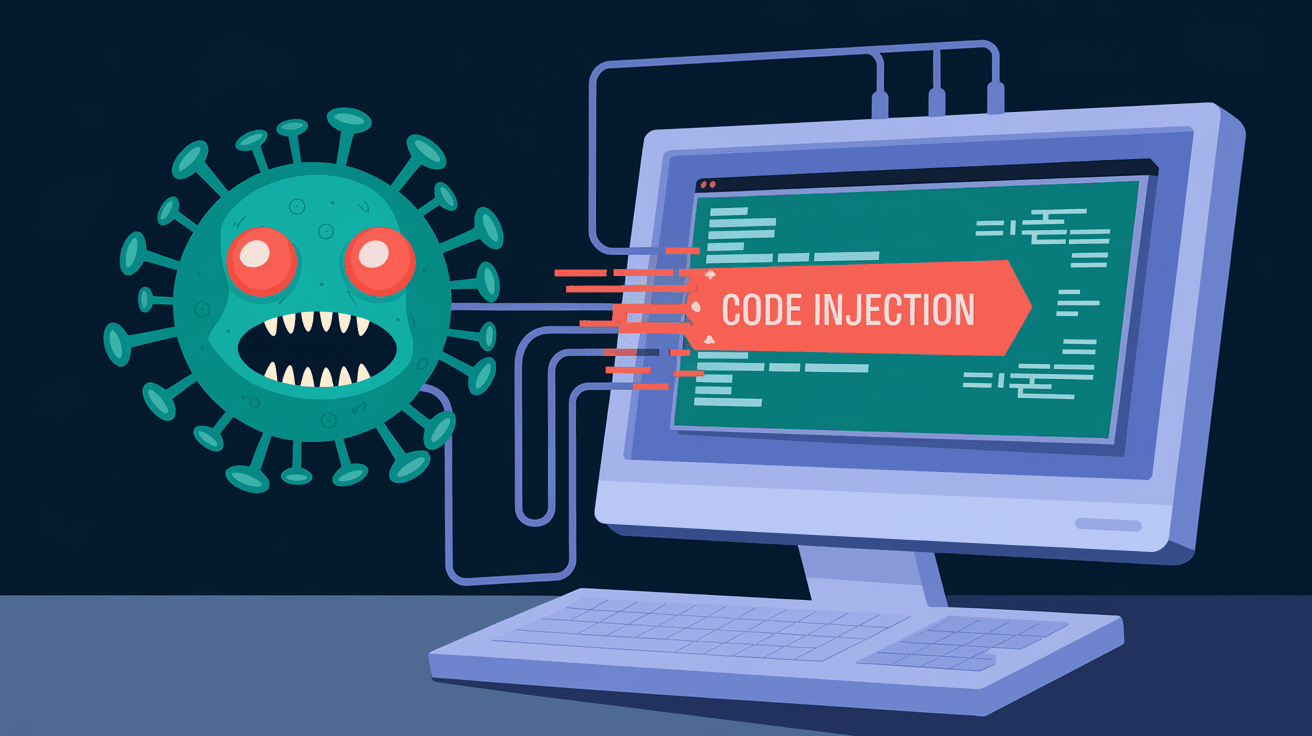
Code injection is a type of cyberattack where malicious code is inserted into a vulnerable program. When the program runs this code, it can cause unexpected behavior, often harmful. The attacker exploits weaknesses in the software’s input handling to sneak in their code.
This attack targets applications that accept user input without properly checking or cleaning it. For example, if a website lets users submit data but doesn’t filter out dangerous commands, an attacker can inject code that the system executes.
How Code Injection Works
- The attacker finds a place where the program accepts input.
- They insert malicious code instead of normal data.
- The program processes this input and runs the injected code.
- The attacker gains unauthorized access or causes damage.
This process can happen in many ways, depending on the type of code injection and the system’s vulnerabilities.
Common Types of Code Injection
There are several types of code injection attacks, each targeting different parts of a system. Here are the most common ones:
SQL Injection
SQL injection is one of the most well-known code injection attacks. It targets databases by inserting harmful SQL commands into input fields like login forms or search boxes.
- Attackers can steal, modify, or delete data.
- They can bypass authentication to access restricted areas.
- SQL injection remains a top threat due to its simplicity and impact.
Cross-Site Scripting (XSS)
XSS attacks inject malicious scripts into web pages viewed by other users. These scripts can steal cookies, hijack sessions, or redirect users to dangerous sites.
- Usually targets browsers and users rather than servers.
- Can be stored (persistent) or reflected (temporary).
- Often exploits poor input validation on websites.
Command Injection
Command injection happens when an attacker inserts system commands into an application that runs shell commands. This can give them control over the server or device.
- Targets applications that use system calls.
- Can lead to full system compromise.
- Often exploits weak input sanitization.
Other Types
- LDAP Injection: Targets Lightweight Directory Access Protocol queries.
- XML Injection: Manipulates XML data or queries.
- Code Injection in Scripts: Injects code into scripting languages like Python or PHP.
Why is Code Injection Dangerous?
Code injection attacks can have severe consequences for individuals and organizations. Here’s why they are so dangerous:
- Data Breaches: Attackers can steal sensitive information like passwords, credit card numbers, or personal data.
- System Control: Some injections allow attackers to take over servers or devices.
- Service Disruption: Injected code can crash applications or cause denial of service.
- Reputation Damage: Breaches harm trust and can lead to legal penalties.
- Financial Loss: Fixing breaches and handling fallout can be costly.
Because code injection exploits basic flaws in input handling, it’s a common and persistent threat.
How to Prevent Code Injection Attacks
Protecting your applications from code injection requires careful coding and security practices. Here are effective ways to reduce the risk:
1. Input Validation and Sanitization
Always check and clean user input before processing it.
- Use whitelists to allow only expected characters.
- Remove or escape special characters that can trigger code execution.
- Validate input length and format.
2. Use Prepared Statements and Parameterized Queries
For database access, avoid building SQL commands by concatenating strings.
- Use prepared statements that separate code from data.
- This prevents attackers from injecting SQL commands.
3. Employ Web Application Firewalls (WAF)
WAFs can detect and block common injection patterns.
- They act as a shield between users and your application.
- Useful as an additional layer of defense.
4. Keep Software Updated
Regularly update your software, frameworks, and libraries.
- Security patches fix known vulnerabilities.
- Outdated software is an easy target.
5. Limit User Privileges
Restrict what users and applications can do.
- Use the principle of least privilege.
- Prevent injected code from gaining high-level access.
6. Use Security Headers and Content Security Policy (CSP)
For web apps, CSP helps prevent XSS attacks by controlling what scripts can run.
- Define trusted sources for scripts and resources.
- Block inline scripts and unauthorized code.
Real-World Examples of Code Injection
Understanding real attacks helps grasp the risks. Here are some notable examples:
- SQL Injection in Retail Websites: Attackers stole customer credit card data by exploiting login forms.
- XSS in Social Media Platforms: Malicious scripts spread through user posts, stealing session cookies.
- Command Injection in IoT Devices: Hackers gained control over smart home devices by injecting commands into web interfaces.
These cases show how attackers use code injection to cause serious harm.
Tools and Techniques to Detect Code Injection
Detecting code injection early can prevent damage. Here are common methods:
Static Code Analysis
- Scans source code for injection vulnerabilities.
- Finds unsafe coding patterns before deployment.
Dynamic Application Security Testing (DAST)
- Tests running applications by simulating attacks.
- Identifies injection points in real-time.
Penetration Testing
- Ethical hackers try to exploit injection flaws.
- Provides practical insights into security weaknesses.
Logging and Monitoring
- Track unusual input or system behavior.
- Alerts can signal injection attempts.
Best Practices for Developers
If you’re a developer, here’s what you should do to avoid code injection:
- Always treat user input as untrusted.
- Use secure coding frameworks and libraries.
- Educate yourself on common injection techniques.
- Perform regular security reviews and testing.
- Collaborate with security experts.
By following these steps, you can build safer applications.
Conclusion
Code injection is a serious security threat that exploits weak input handling to run malicious code. It can lead to data theft, system control, and major disruptions. Understanding how code injection works and the common types like SQL injection and XSS helps you recognize the risks.
Protecting your applications requires careful input validation, using prepared statements, keeping software updated, and applying security best practices. Whether you’re a developer or a user, knowing about code injection empowers you to keep your digital environment safer. Stay vigilant and proactive to defend against these attacks.
FAQs
What is the main cause of code injection vulnerabilities?
The main cause is improper handling of user input, where applications fail to validate or sanitize data before processing it.
Can code injection attacks be completely prevented?
While no system is 100% safe, following best practices like input validation and using prepared statements greatly reduces the risk.
How does SQL injection differ from command injection?
SQL injection targets database queries, while command injection targets system-level commands executed by the application.
Are web application firewalls effective against code injection?
Yes, WAFs can detect and block many injection attempts, but they should be used alongside secure coding practices.
What role does input sanitization play in preventing code injection?
Input sanitization cleans or escapes dangerous characters, preventing malicious code from being executed by the application.




