
What Is Cloud Networking?
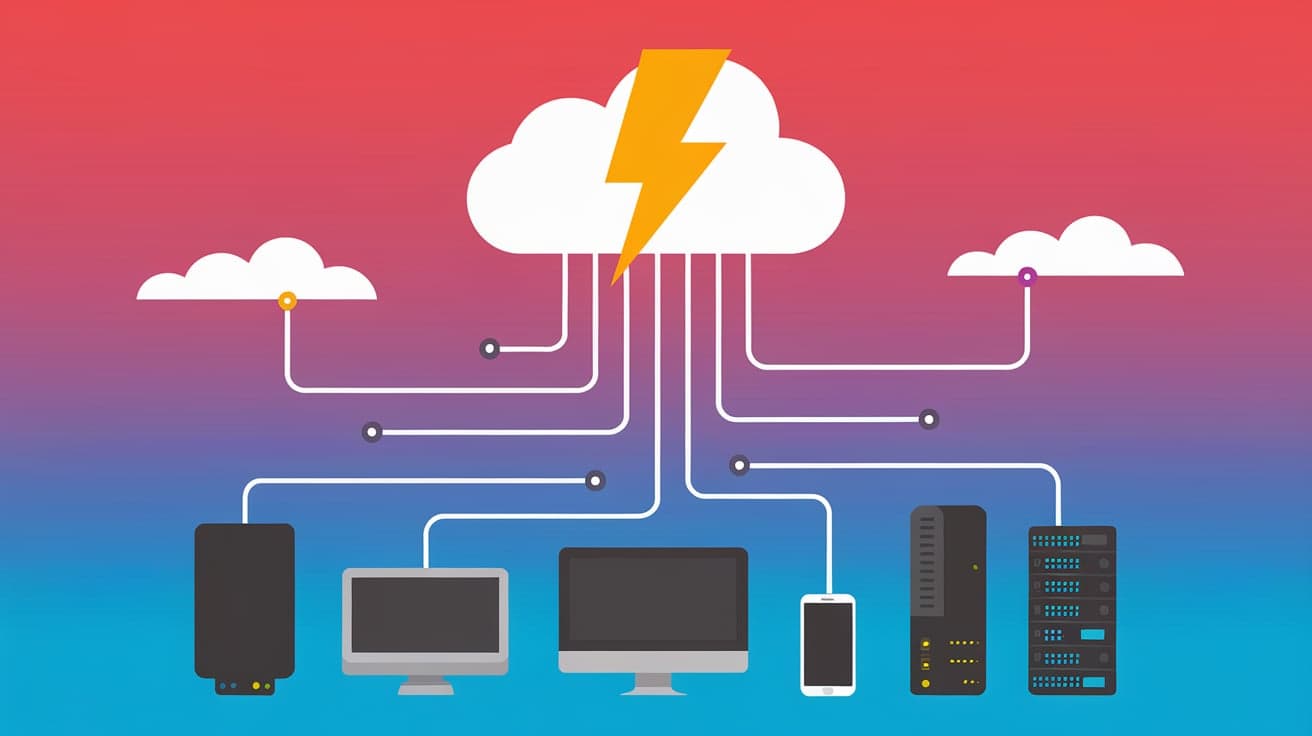
The term cloud networking might sound technical, but it’s an essential part of how businesses and individuals stay connected online today. Think of it as using the internet to manage and connect your network infrastructure, such as servers, applications, and data storage. Instead of relying entirely on physical hardware, cloud networking leverages cloud services to provide flexibility, scalability, and cost efficiency.
In simple terms, cloud networking moves traditional networking tools to the cloud, allowing users to access and manage resources remotely. This article will explain how cloud networking works, its benefits, and why it’s becoming a vital part of modern technology.
What Is Cloud Networking?
Cloud networking is the use of cloud-based resources to build, manage, and maintain networks. It allows devices, users, and applications to interact over a centralized cloud environment rather than relying solely on on-premises hardware.
Key Components:
Virtual Networks: Networks hosted in the cloud that operate like physical networks.
Cloud-Based Applications: Tools and software running on cloud servers.
Data Storage: Centralized cloud storage to access files from anywhere.
Cloud networking simplifies network management, especially for businesses that need flexibility and scalability.
How Does Cloud Networking Work?
Cloud networking works by connecting devices and systems through the internet using cloud-based services and infrastructure. Instead of physical cables and on-site servers, it relies on virtual connections and services hosted by cloud providers.
How It Works:
Cloud Infrastructure: Providers like AWS, Google Cloud, and Microsoft Azure host the servers and tools needed for networking.
Virtualization: Physical hardware is virtualized to create virtual networks.
Internet Connectivity: Devices connect to the cloud via the internet, accessing applications and data remotely.
By using cloud networking, businesses can scale up or down their resources based on demand, saving costs and time.
Types of Cloud Networking
Cloud networking isn’t one-size-fits-all. Different types of setups cater to different needs, depending on your business size, goals, and existing infrastructure.
1. Public Cloud Networking
Managed by third-party providers like AWS or Google Cloud.
Resources are shared among multiple users, reducing costs.
Ideal for businesses that need scalability and minimal upfront investment.
2. Private Cloud Networking
Dedicated resources for a single organization.
Offers better control, security, and performance.
Suited for industries with strict compliance requirements, like healthcare or finance.
3. Hybrid Cloud Networking
Combines public and private clouds for flexibility.
Allows sensitive data to remain on private clouds while leveraging the scalability of public clouds.
Great for businesses with varying data sensitivity needs.
Each type has its pros and cons, so understanding your needs is key to making the right choice.
Benefits of Cloud Networking
Cloud networking has revolutionized the way businesses operate. Let’s look at some of the key benefits.
1. Scalability
Easily adjust resources based on your needs.
Perfect for businesses with fluctuating demands.
2. Cost Efficiency
Reduces the need for expensive on-premises hardware.
Pay-as-you-go models let you only pay for what you use.
3. Accessibility
Access your network from anywhere with an internet connection.
Enables remote work and collaboration across teams.
4. Improved Security
Cloud providers invest heavily in security measures like encryption and firewalls.
Data backups ensure quick recovery in case of loss or breach.
These benefits make cloud networking a smart choice for businesses looking to modernize their operations.
Cloud Networking vs. Traditional Networking
If you’re used to traditional networking setups, you might wonder how cloud networking compares. Let’s break it down.
Traditional Networking:
Relies on physical hardware like routers, switches, and servers.
Maintenance requires on-site teams and regular upgrades.
Limited scalability, as expanding requires buying and installing new hardware.
Cloud Networking:
Virtualized resources eliminate the need for most hardware.
Managed remotely through cloud providers, reducing IT workload.
Scaling is as simple as upgrading your plan or resources online.
While traditional networking still has its place, cloud networking offers unmatched flexibility and efficiency for modern needs.
Common Use Cases for Cloud Networking
Cloud networking isn’t just for tech giants—it’s used in a variety of settings to improve performance and connectivity.
1. Remote Work
Teams can collaborate from anywhere using cloud-based tools.
Secure access to company resources through virtual private networks (VPNs).
2. Education
Schools and universities use cloud networking to host online classes and resources.
Students and teachers access materials without needing physical servers.
3. E-commerce
Online stores handle large traffic volumes during sales or promotions using scalable cloud networks.
Faster checkout experiences improve customer satisfaction.
These use cases show how versatile cloud networking can be across different industries.
Challenges of Cloud Networking
While cloud networking offers many benefits, it’s not without its challenges. Knowing these can help you prepare better.
1. Internet Dependency
Requires a stable internet connection to function effectively.
Outages can disrupt access to cloud services.
2. Security Concerns
Although providers invest in security, breaches can still occur.
Businesses must implement additional security measures.
3. Cost Management
Unexpected resource usage can lead to higher bills.
Monitoring and managing costs is essential to avoid overspending.
Despite these challenges, proper planning and tools can mitigate risks and maximize benefits.
How to Get Started with Cloud Networking
Ready to switch to cloud networking? Here’s how to get started.
Steps:
Assess Your Needs: Determine what resources you need and whether a public, private, or hybrid cloud suits you.
Choose a Provider: Compare providers like AWS, Microsoft Azure, and Google Cloud for features and pricing.
Migrate Gradually: Start with non-critical systems to test the waters before a full migration.
Train Your Team: Ensure employees know how to use and secure cloud resources.
By following these steps, you can smoothly transition to a cloud networking setup.
Conclusion
Cloud networking is transforming the way we connect, manage, and grow our networks. By moving away from traditional setups, businesses can enjoy flexibility, cost savings, and enhanced security. Whether you’re a small business looking to expand or a large enterprise optimizing your operations, cloud networking offers the tools to achieve your goals.
The key is understanding your needs, choosing the right setup, and staying proactive about security. With the right approach, cloud networking can unlock endless possibilities for your organization.
FAQs
1. What is the main purpose of cloud networking?
Cloud networking allows businesses to manage and access network resources through the cloud, improving scalability, flexibility, and cost efficiency.
2. How secure is cloud networking?
Cloud networking is generally secure, but it depends on the provider and additional security measures like encryption and firewalls.
3. What’s the difference between cloud networking and traditional networking?
Cloud networking uses virtualized resources and internet-based services, while traditional networking relies on physical hardware like routers and switches.
4. Can small businesses benefit from cloud networking?
Yes, small businesses can save costs and improve efficiency with scalable cloud networking solutions.
5. Which cloud provider is best for networking?
The best provider depends on your needs. AWS, Google Cloud, and Microsoft Azure are popular options with various features and pricing plans.




