
What is Cloud Firewall
Introduction
You might have heard about cloud firewalls but wondered what they really are and why they matter. In today’s digital world, protecting your data and applications in the cloud is more important than ever. A cloud firewall is a key tool that helps keep your online assets safe from cyber threats.
In this article, I’ll explain what a cloud firewall is, how it works, and why you should consider using one. Whether you’re a business owner, IT professional, or just curious, this guide will give you clear answers and practical insights.
What is a Cloud Firewall?
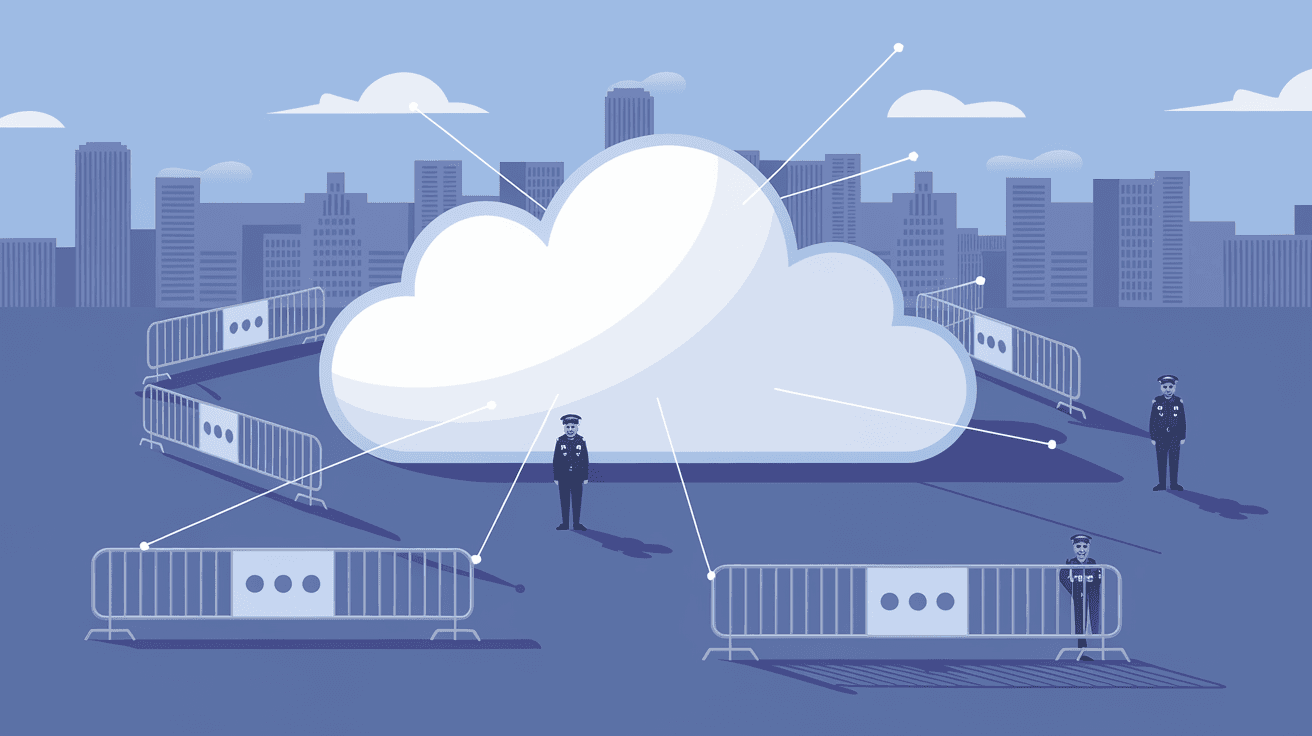
A cloud firewall is a security service that protects cloud-based resources from unauthorized access and cyberattacks. Unlike traditional firewalls, which are hardware devices installed on-premises, cloud firewalls operate in the cloud. They monitor and control incoming and outgoing network traffic based on security rules.
Cloud firewalls are designed to secure cloud environments such as public clouds (like AWS, Azure, Google Cloud), private clouds, or hybrid setups. They act as a barrier between your cloud infrastructure and potential threats on the internet.
Key Features of Cloud Firewalls
- Scalability: Easily adjusts to the size of your cloud environment.
- Flexibility: Can protect multiple cloud platforms and services.
- Centralized Management: Manage security policies from a single dashboard.
- Automatic Updates: Continuously updated to defend against new threats.
- Integration: Works well with other cloud security tools.
How Does a Cloud Firewall Work?
Cloud firewalls work by filtering network traffic to and from your cloud resources. They use predefined rules to allow or block data packets based on IP addresses, ports, protocols, and other criteria.
Here’s a simple breakdown of the process:
- Traffic Inspection: The firewall examines all incoming and outgoing data.
- Rule Matching: It compares the traffic against security rules set by you or your provider.
- Decision Making: If the traffic matches a rule that allows it, the firewall lets it through. If it matches a blocking rule, the traffic is dropped.
- Logging and Alerts: Suspicious activity is logged, and alerts can be sent to administrators.
Cloud firewalls often include advanced features like intrusion detection, application-layer filtering, and threat intelligence integration to improve protection.
Types of Cloud Firewalls
- Firewall as a Service (FWaaS): Delivered entirely from the cloud, no hardware needed.
- Virtual Firewalls: Software-based firewalls running within cloud virtual machines.
- Next-Generation Firewalls (NGFW): Include deeper inspection and application control.
Why Use a Cloud Firewall?
Using a cloud firewall offers several benefits that help protect your cloud assets and maintain compliance with security standards.
Benefits of Cloud Firewalls
- Enhanced Security: Blocks unauthorized access and cyberattacks like DDoS, malware, and phishing.
- Cost-Effective: No need to buy or maintain physical hardware.
- Easy Deployment: Quick setup and integration with cloud platforms.
- Improved Visibility: Monitor traffic and threats in real-time.
- Compliance Support: Helps meet regulations like GDPR, HIPAA, and PCI DSS.
Many organizations now rely on cloud firewalls as part of their overall cloud security strategy to safeguard sensitive data and ensure business continuity.
Cloud Firewall vs. Traditional Firewall
Understanding the difference between cloud firewalls and traditional firewalls helps you choose the right solution.
| Feature | Cloud Firewall | Traditional Firewall |
| Deployment | Cloud-based, no physical hardware | On-premises hardware device |
| Scalability | Highly scalable, adjusts automatically | Limited by hardware capacity |
| Management | Centralized, remote management | Local management, sometimes complex |
| Updates | Automatic and frequent | Manual updates required |
| Cost | Subscription or pay-as-you-go | High upfront cost and maintenance |
| Protection Scope | Cloud environments | Local networks and data centers |
Cloud firewalls are ideal for businesses moving to the cloud or operating hybrid environments, while traditional firewalls still play a role in protecting on-premises infrastructure.
Common Use Cases for Cloud Firewalls
Cloud firewalls are versatile and support many scenarios. Here are some common use cases:
- Protecting Web Applications: Prevent attacks like SQL injection and cross-site scripting.
- Securing Remote Workforces: Control access for employees connecting from outside the office.
- Multi-Cloud Security: Manage security across different cloud providers.
- Compliance Enforcement: Ensure data privacy and regulatory compliance.
- Blocking Malicious Traffic: Detect and stop DDoS attacks and malware.
By tailoring firewall rules to your needs, you can create a strong defense against evolving cyber threats.
How to Choose the Right Cloud Firewall
Choosing the right cloud firewall depends on your specific needs and environment. Here are some factors to consider:
- Compatibility: Ensure it supports your cloud platforms (AWS, Azure, Google Cloud).
- Features: Look for intrusion prevention, application control, and threat intelligence.
- Ease of Use: A user-friendly interface and centralized management help reduce complexity.
- Performance: The firewall should not slow down your network or applications.
- Cost: Consider pricing models and total cost of ownership.
- Support and Updates: Reliable vendor support and regular security updates are essential.
You can also try free trials or demos to test how well a cloud firewall fits your infrastructure.
Setting Up a Cloud Firewall: Basic Steps
Setting up a cloud firewall is usually straightforward. Here’s a general process you can follow:
- Choose a Cloud Firewall Provider: Select a trusted vendor or use your cloud provider’s native firewall.
- Define Security Policies: Decide which traffic to allow or block based on your needs.
- Deploy the Firewall: Activate the firewall service in your cloud environment.
- Configure Rules: Set rules for IP addresses, ports, protocols, and applications.
- Monitor Traffic: Use dashboards and alerts to watch for suspicious activity.
- Update Regularly: Keep rules and software up to date to handle new threats.
Many cloud providers offer detailed guides and support to help you through these steps.
Challenges and Limitations of Cloud Firewalls
While cloud firewalls offer many advantages, there are some challenges to keep in mind:
- Complexity in Hybrid Environments: Managing firewalls across cloud and on-premises can be tricky.
- False Positives: Overly strict rules might block legitimate traffic.
- Dependence on Internet Connectivity: Cloud firewalls require stable internet connections.
- Limited Control: Some cloud firewalls may not offer deep customization.
- Cost Management: Pay-as-you-go models can become expensive if not monitored.
Being aware of these issues helps you plan better and avoid surprises.
Future Trends in Cloud Firewall Technology
Cloud firewall technology continues to evolve rapidly. Here are some trends shaping the future:
- AI and Machine Learning: Automated threat detection and response.
- Integration with Zero Trust Security: Continuous verification of users and devices.
- Serverless Security: Firewalls adapting to serverless computing models.
- Improved Automation: Simplifying policy management and incident response.
- Multi-Cloud and Edge Security: Protecting distributed cloud and edge environments.
Staying updated on these trends will help you keep your cloud security strong.
Conclusion
Now you know that a cloud firewall is a vital security tool designed to protect your cloud resources from cyber threats. It works by filtering network traffic based on rules and offers many benefits like scalability, cost savings, and easier management compared to traditional firewalls.
Choosing the right cloud firewall and setting it up properly can greatly improve your cloud security. As cloud computing grows, using cloud firewalls becomes essential to keep your data safe and maintain compliance. I encourage you to explore cloud firewall options that fit your needs and strengthen your cybersecurity strategy.
FAQs
What is the main difference between a cloud firewall and a traditional firewall?
A cloud firewall operates in the cloud and protects cloud resources, while a traditional firewall is a physical device installed on-premises to protect local networks.
Can cloud firewalls protect against all types of cyberattacks?
Cloud firewalls protect against many threats like unauthorized access, DDoS, and malware, but they work best combined with other security tools for comprehensive protection.
Are cloud firewalls suitable for small businesses?
Yes, cloud firewalls are scalable and cost-effective, making them a good choice for small businesses moving to the cloud.
How do cloud firewalls handle updates and new threats?
Cloud firewalls receive automatic updates from the provider, ensuring they can defend against the latest cyber threats without manual intervention.
Can I use a cloud firewall with multiple cloud providers?
Many cloud firewalls support multi-cloud environments, allowing you to manage security policies across different cloud platforms from one interface.




