
What is Cloud Account Hijacking
Introduction
You probably use cloud services every day, whether for work, storage, or apps. But have you ever wondered what happens if someone else takes control of your cloud account? That’s what cloud account hijacking is all about. It’s a serious security threat that can cause big problems for individuals and businesses alike.
In this article, I’ll explain what cloud account hijacking means, how attackers manage to do it, and what you can do to keep your cloud accounts safe. Understanding this will help you protect your data and avoid costly mistakes.
What is Cloud Account Hijacking?
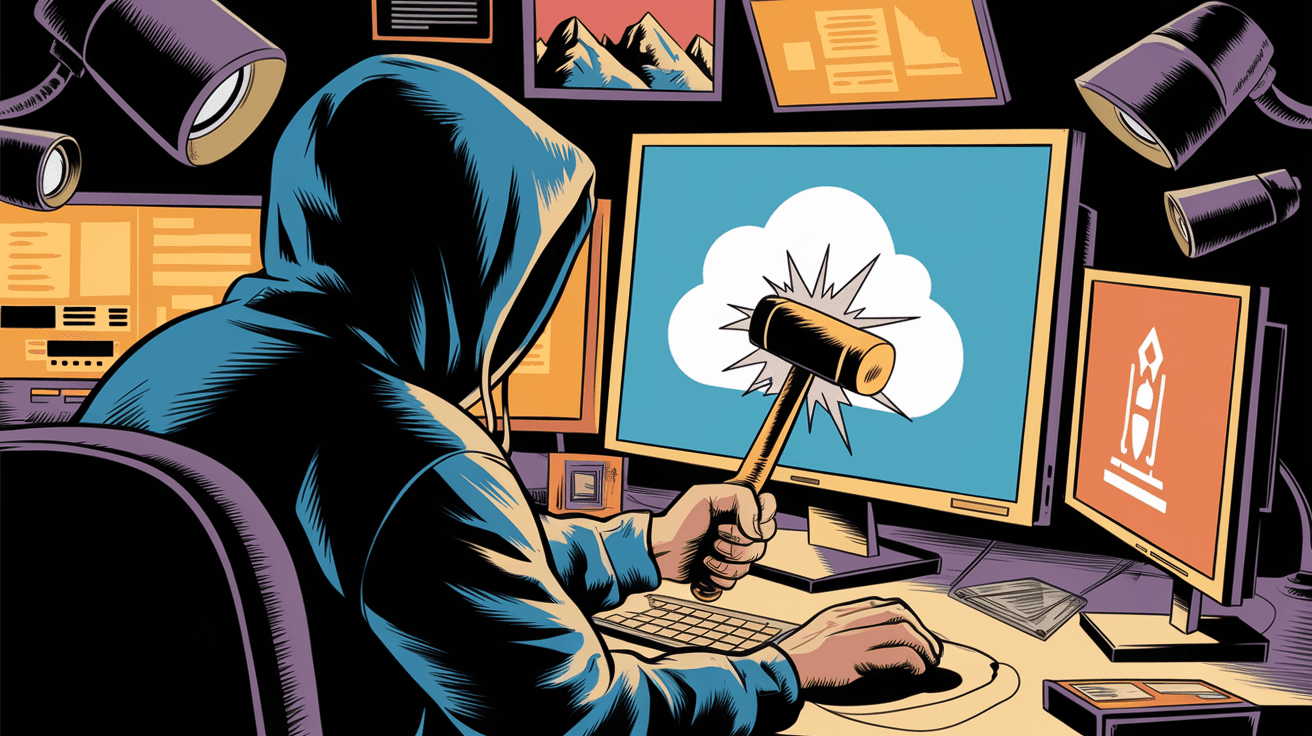
Cloud account hijacking happens when a hacker gains unauthorized access to your cloud service account. This means they can control your data, apps, and even your cloud resources. It’s like someone stealing your keys and entering your house without permission.
Cloud accounts include services like Google Drive, Microsoft Azure, Amazon Web Services (AWS), and many others. When hijacked, attackers can steal sensitive information, disrupt services, or use your account for malicious activities.
How Does Cloud Account Hijacking Work?
Attackers use several methods to hijack cloud accounts:
- Phishing: Sending fake emails or messages to trick you into revealing your login details.
- Credential Stuffing: Using stolen username-password pairs from other breaches to access your cloud account.
- Exploiting Weak Passwords: Guessing or cracking simple passwords.
- Man-in-the-Middle Attacks: Intercepting your login information on unsecured networks.
- Insider Threats: Employees or contractors misusing their access.
Once inside, hackers can change passwords, lock you out, or steal data.
Why is Cloud Account Hijacking Dangerous?
Cloud account hijacking is more than just an inconvenience. It can lead to:
- Data Theft: Personal, financial, or business data can be stolen.
- Service Disruption: Attackers can delete or alter files, causing downtime.
- Financial Loss: Using your cloud resources for crypto mining or attacks can rack up huge bills.
- Reputation Damage: For businesses, a breach can harm customer trust.
- Legal Issues: Data breaches may lead to fines under laws like GDPR or HIPAA.
Because cloud accounts often hold critical information, hijacking can have severe consequences.
Common Targets of Cloud Account Hijacking
Not all cloud accounts are equally targeted. Attackers usually focus on:
- Business Cloud Accounts: These often have access to sensitive company data and customer information.
- Developer Accounts: Access to code repositories and cloud infrastructure.
- Personal Cloud Storage: Where people keep photos, documents, and backups.
- Email Accounts: Often linked to cloud services and used for password resets.
Understanding the target helps you prioritize your security efforts.
How to Detect Cloud Account Hijacking
Detecting hijacking early can save you from bigger problems. Watch out for:
- Unusual Login Activity: Logins from strange locations or devices.
- Password Change Notifications: Alerts you didn’t initiate.
- Unexpected Billing: Sudden spikes in cloud service charges.
- Missing or Altered Files: Files deleted or changed without your knowledge.
- Security Alerts: Warnings from your cloud provider.
Many cloud services offer tools to monitor account activity. Use them regularly.
How to Prevent Cloud Account Hijacking
Protecting your cloud accounts requires a mix of good habits and technology. Here’s what you can do:
Use Strong, Unique Passwords
- Avoid common or reused passwords.
- Use a password manager to generate and store complex passwords.
Enable Multi-Factor Authentication (MFA)
- Adds an extra verification step beyond just a password.
- Use authenticator apps or hardware tokens for better security.
Regularly Monitor Account Activity
- Check login history and billing statements.
- Set up alerts for suspicious activities.
Educate Yourself and Your Team
- Learn to recognize phishing emails.
- Avoid clicking on suspicious links or attachments.
Keep Software Updated
- Apply security patches promptly.
- Update browsers and apps connected to cloud services.
Limit Access and Permissions
- Use the principle of least privilege.
- Regularly review who has access to your cloud accounts.
Use Cloud Security Tools
- Employ cloud access security brokers (CASBs).
- Use identity and access management (IAM) solutions.
What to Do If Your Cloud Account is Hijacked
If you suspect your cloud account has been hijacked, act quickly:
- Change Your Password: Use a strong, unique password immediately.
- Enable MFA: If not already active, set it up right away.
- Check Account Activity: Look for unauthorized changes or logins.
- Contact Your Cloud Provider: Report the incident and follow their recovery steps.
- Scan Your Devices: Check for malware or keyloggers.
- Inform Affected Parties: If data was compromised, notify relevant people or customers.
- Review Security Policies: Learn from the incident to prevent future attacks.
Real-World Examples of Cloud Account Hijacking
Several high-profile cases show how damaging cloud hijacking can be:
- Capital One Breach: In this incident, a hacker exploited a cloud misconfiguration to access over 100 million customer records.
- Tesla AWS Hack: Attackers used stolen credentials to mine cryptocurrency on Tesla’s cloud infrastructure.
- Microsoft Azure Attacks: Hackers targeted Azure accounts to deploy ransomware and steal data.
These examples highlight the importance of securing cloud accounts properly.
The Future of Cloud Account Security
As cloud adoption grows, so do the risks. Experts predict:
- More Advanced Attacks: Hackers will use AI and automation to find vulnerabilities faster.
- Better Security Tools: Cloud providers will improve built-in protections and monitoring.
- Stronger Regulations: Governments will enforce stricter data protection laws.
- Increased User Awareness: Training and education will become standard in organizations.
Staying informed and proactive is key to keeping your cloud accounts safe.
Conclusion
Cloud account hijacking is a real threat that can affect anyone using cloud services. By understanding how hijacking happens and the risks involved, you can take steps to protect your accounts. Using strong passwords, enabling multi-factor authentication, and monitoring your account activity are simple but effective ways to stay secure.
Remember, prevention is better than cure. If you ever suspect your cloud account has been compromised, act fast to minimize damage. With the right knowledge and tools, you can keep your cloud data safe and enjoy the benefits of cloud computing without worry.
FAQs
What is the main cause of cloud account hijacking?
The main cause is often weak or stolen credentials, such as passwords leaked through phishing or data breaches.
Can multi-factor authentication prevent cloud account hijacking?
While not foolproof, MFA significantly reduces the risk by adding an extra layer of security beyond just a password.
How do hackers use hijacked cloud accounts?
They may steal data, disrupt services, mine cryptocurrency, or launch attacks using your resources.
Is cloud account hijacking common in businesses?
Yes, businesses are frequent targets because their cloud accounts often hold valuable data and resources.
What should I do if I receive a suspicious email about my cloud account?
Do not click any links or provide information. Verify the email’s authenticity through official channels and report it as phishing.




