
What is Click Fraud
Introduction
If you’re running online ads, you’ve probably heard the term “click fraud.” But what exactly is click fraud, and why should you care? In simple terms, click fraud happens when someone clicks on your ads with bad intentions, not because they’re interested in your product or service. This can waste your advertising budget and skew your campaign results.
Understanding click fraud is important for anyone using pay-per-click (PPC) advertising. In this article, I’ll explain what click fraud is, how it works, why it matters, and what you can do to protect your ads. By the end, you’ll know how to spot click fraud and keep your marketing efforts on track.
What is Click Fraud?
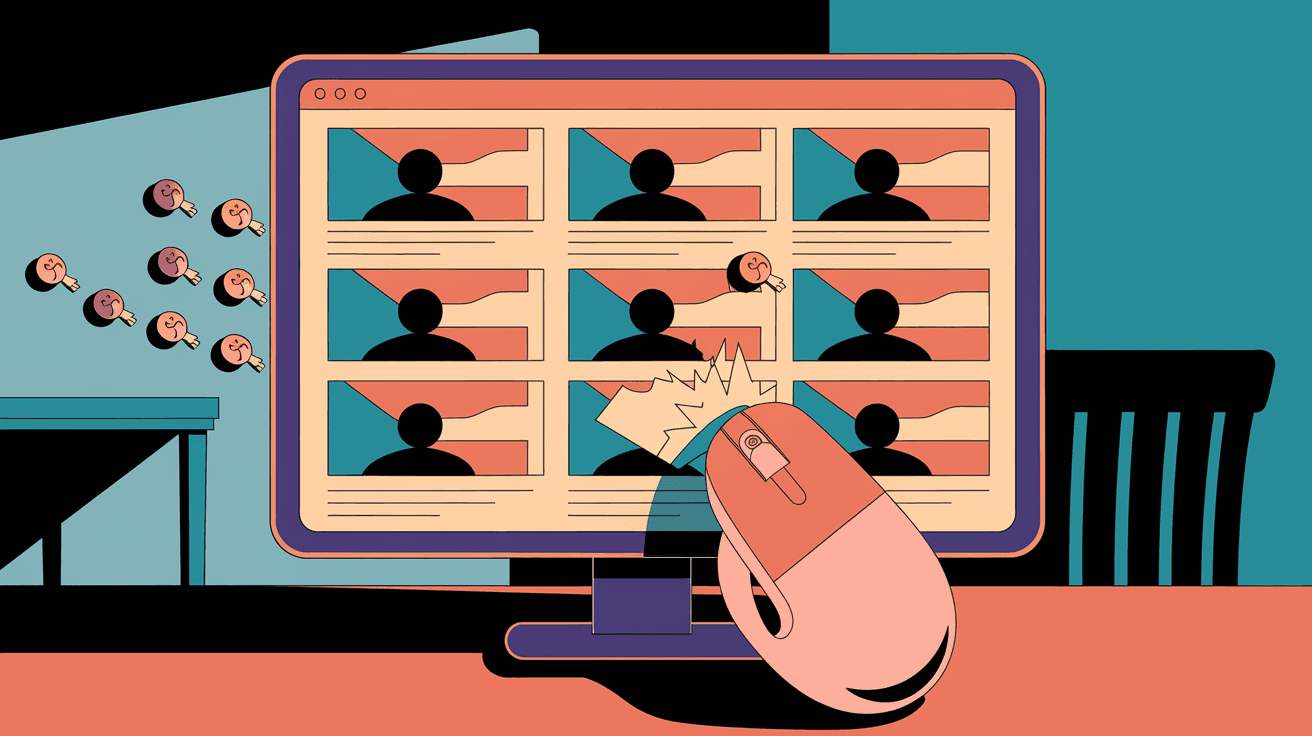
Click fraud is a type of online fraud where clicks on pay-per-click ads are made with malicious intent. Instead of genuine users clicking because they want to learn more or buy something, these clicks are fake or automated. The goal is often to drain an advertiser’s budget or manipulate ad performance.
How Click Fraud Happens
- Competitors clicking your ads repeatedly to waste your budget.
- Automated bots generating fake clicks to inflate traffic numbers.
- Publishers clicking their own ads to increase their earnings unfairly.
- Click farms where groups of people are paid to click ads repeatedly.
Click fraud can happen on any platform that uses PPC ads, such as Google Ads, Facebook Ads, or Bing Ads. It’s a serious problem because it wastes money and makes it hard to measure real ad success.
Why Click Fraud Matters to Advertisers
Click fraud impacts advertisers in several ways:
- Wasted Budget: You pay for clicks that don’t lead to real customers.
- Skewed Data: Fake clicks distort your analytics, making it hard to see what’s working.
- Lower ROI: Your return on investment drops because you’re paying for worthless clicks.
- Unfair Competition: Competitors can sabotage your campaigns by clicking your ads maliciously.
For small businesses or startups with limited ad budgets, click fraud can be especially damaging. It reduces the effectiveness of your campaigns and can slow down your growth.
How to Detect Click Fraud
Detecting click fraud isn’t always easy, but there are signs you can watch for:
- Sudden spikes in clicks without corresponding sales or conversions.
- High click-through rates (CTR) but low engagement or purchases.
- Multiple clicks from the same IP address or geographic location.
- Unusual patterns in click timing, such as many clicks in a short period.
- Clicks from suspicious sources or bots.
Many ad platforms offer basic click fraud detection tools. You can also use third-party software to analyze your traffic and spot suspicious activity.
Tools and Techniques to Prevent Click Fraud
Protecting your ads from click fraud requires a mix of technology and strategy. Here are some effective methods:
Use Click Fraud Detection Software
- Ad verification tools like ClickCease, Fraudlogix, or PPC Protect monitor clicks and block suspicious IPs.
- These tools analyze traffic patterns and automatically filter out fraudulent clicks.
- They provide detailed reports so you can understand where fake clicks come from.
Set IP Exclusions
- Identify IP addresses that generate fake clicks.
- Exclude these IPs from seeing your ads.
- This helps stop repeated clicks from the same source.
Use Geo-Targeting
- Limit your ads to specific geographic areas where your real customers are.
- This reduces the chance of clicks from irrelevant or fraudulent locations.
Monitor Campaign Performance Regularly
- Check your click and conversion data daily.
- Look for unusual trends or sudden changes.
- Act quickly if you spot suspicious activity.
Adjust Bidding Strategies
- Use automated bidding strategies that optimize for conversions, not just clicks.
- This helps reduce the impact of fake clicks on your budget.
The Role of Ad Platforms in Fighting Click Fraud
Major ad platforms like Google and Facebook have invested heavily in detecting and preventing click fraud. They use advanced algorithms and machine learning to identify invalid clicks and filter them out before charging advertisers.
What Platforms Do
- Google Ads automatically detects invalid clicks and credits your account for them.
- Facebook Ads uses AI to monitor suspicious activity and block fake clicks.
- Platforms provide click fraud reports and allow advertisers to dispute charges.
Despite these efforts, no system is perfect. Advertisers still need to be proactive in monitoring their campaigns.
Real-World Examples of Click Fraud
Click fraud has affected many businesses worldwide. Here are a few examples:
- A small e-commerce store noticed a sudden spike in clicks but no sales. After investigation, they found a competitor was clicking their ads repeatedly. Using click fraud software, they blocked the IPs and saved thousands of dollars.
- A digital marketing agency discovered that a client’s ads were being targeted by a click farm overseas. They adjusted geo-targeting and used IP exclusions to stop the fraud.
- Large companies have reported millions of dollars lost to click fraud annually, prompting them to invest heavily in fraud detection tools.
These examples show how common and costly click fraud can be.
How to Respond if You Suspect Click Fraud
If you think your ads are being targeted, here’s what you can do:
- Review your ad analytics for unusual patterns.
- Contact your ad platform’s support team to report suspicious activity.
- Use click fraud detection tools to identify and block fake clicks.
- Adjust your campaign settings like IP exclusions and geo-targeting.
- Keep detailed records of suspicious clicks for disputes or refunds.
Being proactive helps minimize damage and keeps your campaigns effective.
Future Trends in Click Fraud Prevention
As online advertising grows, click fraud techniques are becoming more sophisticated. Here’s what to expect:
- AI and machine learning will improve fraud detection accuracy.
- Blockchain technology may be used to verify genuine clicks.
- Stronger regulations could hold fraudsters accountable.
- More collaboration between ad platforms and advertisers to share data on fraud.
Staying informed about these trends will help you protect your ads better.
Conclusion
Click fraud is a real threat that can waste your advertising budget and hurt your business. By understanding what it is and how it works, you can take steps to detect and prevent it. Using tools like click fraud detection software, setting IP exclusions, and monitoring your campaigns closely will help you avoid fake clicks.
Remember, ad platforms do their part, but you need to stay alert too. Protecting your ads from click fraud ensures your marketing dollars go toward real customers, helping your business grow efficiently.
FAQs
What is the main goal of click fraud?
The main goal of click fraud is to generate fake clicks on ads to waste an advertiser’s budget or manipulate ad performance, often benefiting competitors or dishonest publishers.
How can I tell if my ads are affected by click fraud?
Look for sudden spikes in clicks without sales, repeated clicks from the same IP, unusual geographic sources, or high click-through rates with low conversions.
Are all clicks from bots considered click fraud?
Yes, clicks from automated bots that don’t represent real potential customers are considered click fraud because they waste your ad budget without genuine interest.
Can ad platforms fully prevent click fraud?
Ad platforms use advanced tools to detect and filter invalid clicks, but no system is perfect. Advertisers should also monitor and protect their campaigns actively.
What is one simple step to reduce click fraud risk?
One simple step is to exclude suspicious IP addresses from your campaigns, preventing repeated fake clicks from the same sources.




