
What is Change Control Policy
Introduction
When you work in any organization, changes happen all the time. Whether it’s updating software, adjusting processes, or introducing new tools, managing these changes carefully is crucial. That’s where a change control policy comes in. It helps you keep track of changes, avoid mistakes, and ensure everything runs smoothly.
In this article, I’ll explain what a change control policy is, why it’s important, and how you can create one that works for your team. You’ll also get practical tips and examples to help you manage change confidently.
What is a Change Control Policy?
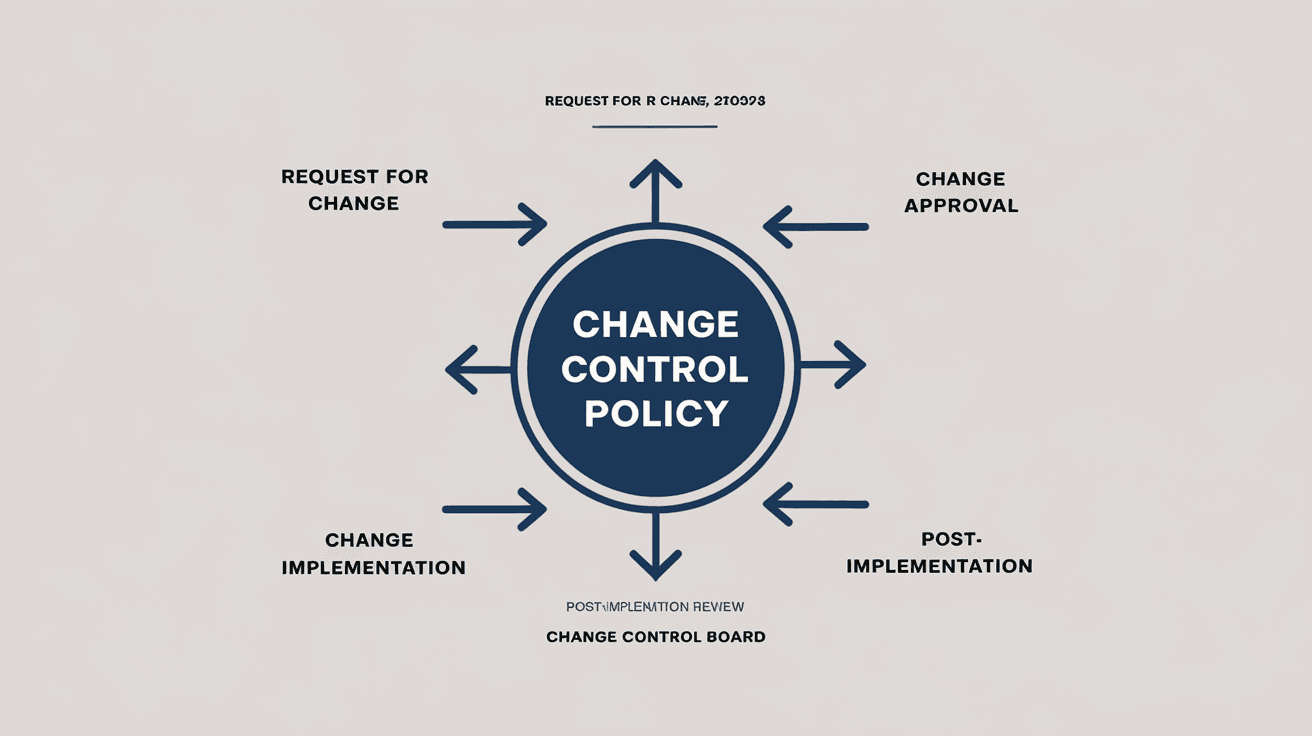
A change control policy is a formal set of rules and procedures that guide how changes are requested, reviewed, approved, and implemented within an organization. It ensures that every change is handled in a controlled and consistent way.
This policy helps prevent unexpected problems by making sure changes are carefully planned and communicated. It applies to various areas like IT systems, business processes, products, or projects.
Key Elements of a Change Control Policy
- Change Request: A formal proposal to make a change.
- Impact Assessment: Evaluating risks and benefits.
- Approval Process: Getting permission from the right people.
- Implementation: Carrying out the change safely.
- Documentation: Recording what was changed and why.
- Review: Checking if the change worked as expected.
By following these steps, organizations reduce errors, downtime, and confusion.
Why is a Change Control Policy Important?
Without a change control policy, changes can cause chaos. Imagine updating software without testing or approval—it could break systems or lead to data loss. A good policy protects your business by:
- Reducing Risks: Identifies potential problems before changes happen.
- Improving Communication: Keeps everyone informed about what’s changing.
- Ensuring Compliance: Helps meet legal and industry standards.
- Maintaining Quality: Prevents rushed or poorly planned changes.
- Tracking Changes: Creates a history for audits and troubleshooting.
For example, in healthcare or finance, strict change control policies are essential to protect sensitive data and comply with regulations.
How to Develop a Change Control Policy
Creating a change control policy might seem complex, but breaking it down makes it manageable. Here’s how you can develop one step-by-step:
1. Define the Scope
Decide what types of changes the policy will cover. This could include software updates, hardware changes, process adjustments, or product modifications.
2. Identify Roles and Responsibilities
Assign who can request, review, approve, and implement changes. Clear roles prevent confusion and ensure accountability.
3. Establish Change Categories
Classify changes by their impact or urgency, such as:
- Standard Changes: Routine and low risk.
- Emergency Changes: Urgent fixes.
- Major Changes: High impact or complex.
4. Create a Change Request Process
Outline how to submit a change request, including required information like description, reason, and impact.
5. Set Approval Procedures
Define who approves different types of changes and what criteria they use.
6. Plan Implementation and Testing
Describe how changes will be tested and rolled out to minimize disruption.
7. Document Everything
Keep detailed records of all change requests, approvals, and outcomes.
8. Review and Improve
Regularly assess the policy’s effectiveness and update it as needed.
Examples of Change Control Policy in Different Industries
Change control policies vary depending on the industry and organization size. Here are some examples:
IT Sector
In IT, change control policies focus on software updates, network changes, and security patches. They often use tools like ITIL (Information Technology Infrastructure Library) frameworks to manage changes systematically.
Manufacturing
Manufacturers use change control to manage product design changes, equipment upgrades, or process improvements. This helps maintain product quality and comply with safety standards.
Healthcare
Healthcare organizations apply strict change control to protect patient data and ensure medical devices and software meet regulatory requirements.
Finance
Financial institutions use change control to safeguard sensitive information and comply with regulations like GDPR or SOX.
Common Challenges in Implementing Change Control Policies
Even with a good policy, organizations face challenges such as:
- Resistance to Change: Employees may resist new procedures.
- Lack of Training: People might not understand the policy.
- Poor Communication: Changes not clearly communicated.
- Inadequate Documentation: Missing records can cause confusion.
- Slow Approval Processes: Delays can frustrate teams.
Addressing these challenges requires leadership support, clear communication, and ongoing training.
Best Practices for Effective Change Control
To make your change control policy work well, consider these best practices:
- Keep It Simple: Avoid overly complex procedures.
- Use Technology: Implement change management software.
- Train Your Team: Regularly educate staff on the policy.
- Communicate Clearly: Share updates and reasons for changes.
- Monitor and Review: Track changes and learn from mistakes.
- Involve Stakeholders: Get input from all affected parties.
Tools to Support Change Control Policy
Several tools can help you manage change control efficiently:
| Tool Name | Purpose | Features |
| Jira | Issue and change tracking | Workflow automation, reporting |
| ServiceNow | IT service management | Change requests, approvals |
| ChangeGear | Change management software | Risk assessment, audit trails |
| Microsoft Teams | Communication and collaboration | Notifications, document sharing |
| Trello | Task management | Visual boards, checklists |
Using the right tools can save time and reduce errors.
Conclusion
A change control policy is essential for managing changes safely and effectively in any organization. It helps you avoid risks, improve communication, and maintain quality. By defining clear steps, roles, and approval processes, you can handle changes smoothly and confidently.
Remember, the key to success is keeping your policy simple, training your team, and using the right tools. With a solid change control policy, you’ll be better prepared to adapt and grow in a fast-changing world.
FAQs
What is the main purpose of a change control policy?
The main purpose is to manage changes in a controlled way, reducing risks and ensuring changes are planned, approved, and documented properly.
Who is responsible for approving changes?
Approval responsibility depends on the organization but usually involves managers or change control boards who assess the impact and risks.
How does a change control policy improve communication?
It sets clear steps for notifying stakeholders about changes, ensuring everyone knows what’s happening and when.
Can a change control policy be used outside IT?
Yes, it applies to any area where changes affect processes, products, or systems, including manufacturing, healthcare, and finance.
What happens if a change is made without following the policy?
Skipping the policy can lead to errors, downtime, security issues, and compliance problems, which may harm the organization.




