
What is Carding Fraud
Introduction
You might have heard the term "carding fraud" and wondered what it really means. Carding fraud is a type of financial crime where criminals steal credit or debit card information to make unauthorized purchases. It’s a growing problem that affects millions of people and businesses worldwide.
In this article, I’ll explain what carding fraud is, how it happens, and what you can do to protect yourself. Understanding this scam can help you stay safe and avoid losing money or having your identity stolen.
What is Carding Fraud?
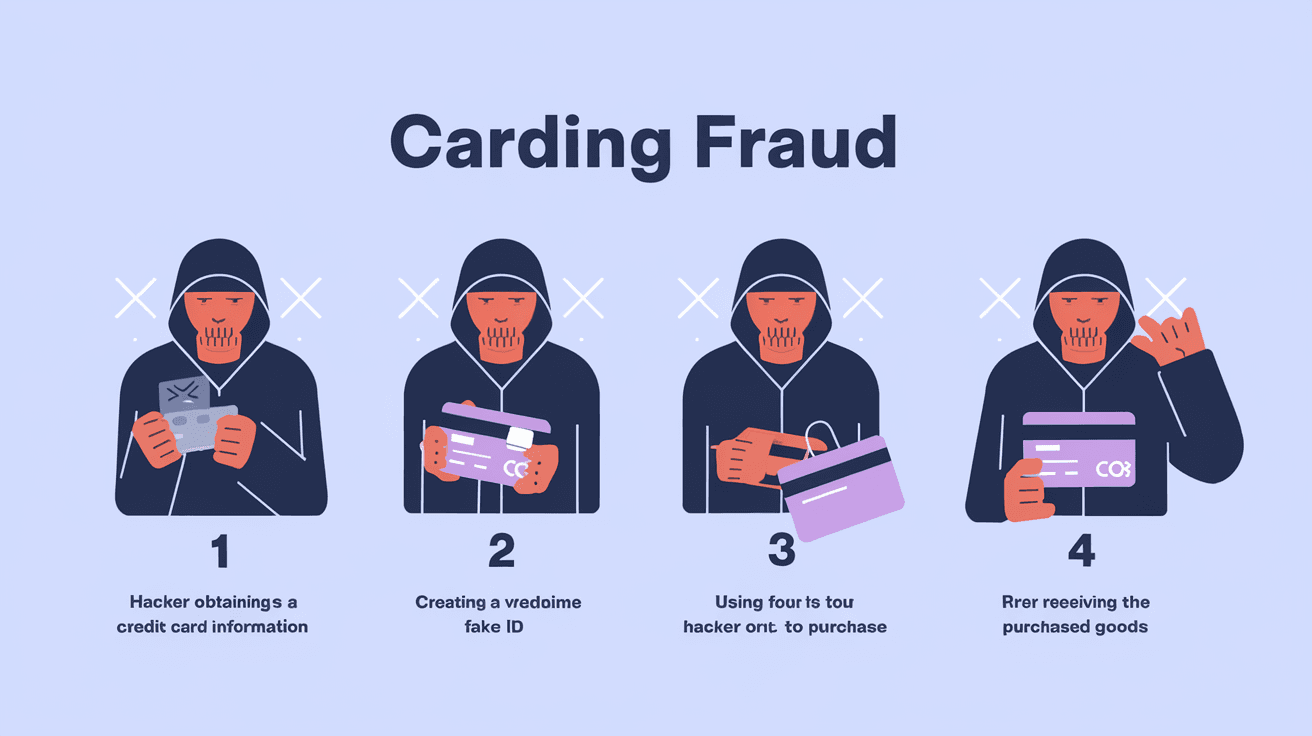
Carding fraud is a cybercrime where fraudsters use stolen credit or debit card details to buy goods or services without the cardholder’s permission. The term "carding" comes from the illegal practice of testing stolen card numbers to see if they are valid.
Here’s how it works:
- Criminals obtain card details through hacking, phishing, or buying data on the dark web.
- They test the card information by making small online purchases.
- Once confirmed, they use the card for larger transactions or sell the details to other criminals.
Carding fraud can cause serious financial damage to individuals and businesses. Victims often face unauthorized charges, and merchants suffer losses from chargebacks and fraud prevention costs.
How Do Criminals Get Card Information?
Understanding how criminals get card details helps you see the risks and protect yourself better. Here are the main ways card information is stolen:
- Data Breaches: Hackers break into company databases to steal customer card details.
- Phishing Scams: Fraudsters trick people into giving their card info through fake emails or websites.
- Skimming Devices: Small devices placed on ATMs or gas pumps capture card data during legitimate transactions.
- Malware: Malicious software on your device can record your card details when you shop online.
- Dark Web Markets: Stolen card information is often sold on underground websites to other criminals.
Each method targets different points in the payment process, making carding fraud a complex and evolving threat.
Common Signs of Carding Fraud
It’s important to recognize the signs of carding fraud early. Here are some common red flags to watch for:
- Unexpected charges on your bank or credit card statements.
- Declined transactions when you try to use your card.
- Receiving alerts about purchases you didn’t make.
- Notifications from your bank about suspicious activity.
- Your card being blocked or frozen without explanation.
If you notice any of these signs, contact your bank immediately to report potential fraud.
How Carding Fraud Affects Businesses
Businesses are often targets of carding fraud because they process many transactions daily. The impact on companies can be severe:
- Financial Losses: Merchants lose money from chargebacks when customers dispute fraudulent charges.
- Reputation Damage: Customers may lose trust if their data is compromised.
- Increased Security Costs: Businesses must invest in fraud detection and prevention tools.
- Operational Disruptions: Handling fraud cases takes time and resources away from normal operations.
To reduce these risks, businesses use advanced fraud detection systems and follow strict payment security standards.
How to Protect Yourself from Carding Fraud
You can take several steps to protect your card information and reduce the risk of falling victim to carding fraud:
- Use strong, unique passwords for online accounts.
- Enable two-factor authentication whenever possible.
- Regularly monitor your bank and credit card statements.
- Avoid clicking on suspicious links or emails.
- Shop only on secure websites with HTTPS.
- Use virtual or disposable cards for online purchases.
- Keep your devices updated with the latest security patches.
Being proactive about your financial security helps keep your card details safe.
What to Do If You Are a Victim of Carding Fraud
If you suspect you’ve been targeted by carding fraud, act quickly to minimize damage:
- Contact your bank or card issuer immediately to report the fraud.
- Request a new card and cancel the compromised one.
- Review your recent transactions and dispute any unauthorized charges.
- Change passwords for your online accounts linked to the card.
- Report the fraud to local law enforcement or consumer protection agencies.
- Consider placing a fraud alert or credit freeze on your credit report.
Prompt action can help you recover losses and prevent further fraud.
The Role of Technology in Fighting Carding Fraud
Technology plays a key role in detecting and preventing carding fraud. Here are some tools and methods used by banks and businesses:
- Artificial Intelligence (AI): AI analyzes transaction patterns to spot unusual behavior.
- Machine Learning: Systems learn from past fraud cases to improve detection accuracy.
- Tokenization: Replaces card details with unique tokens during transactions to protect data.
- EMV Chip Cards: More secure than magnetic stripes, making card cloning harder.
- Fraud Monitoring Software: Tracks transactions in real-time to flag suspicious activity.
These technologies help reduce fraud but require constant updates to keep up with evolving threats.
The Future of Carding Fraud Prevention
As carding fraud evolves, so do prevention strategies. Experts predict several trends shaping the future:
- Increased use of biometric authentication like fingerprint or facial recognition.
- Greater adoption of blockchain technology for secure payments.
- Enhanced collaboration between banks, merchants, and law enforcement.
- More consumer education on recognizing and avoiding scams.
- Development of global standards for payment security.
Staying informed and using new technologies will be essential to fighting carding fraud in the years ahead.
Conclusion
Carding fraud is a serious threat that affects both individuals and businesses. By understanding how it works and recognizing the signs, you can better protect yourself from financial loss. Taking simple precautions like monitoring your accounts and using secure payment methods makes a big difference.
Technology and awareness are key to combating carding fraud. As criminals become more sophisticated, staying vigilant and informed helps keep your card information safe. Remember, quick action is crucial if you suspect fraud, so don’t hesitate to contact your bank and report any suspicious activity.
FAQs
What is the main goal of carding fraud?
The main goal is to use stolen credit or debit card details to make unauthorized purchases or sell the information to other criminals for profit.
How can I tell if my card has been used in carding fraud?
Look for unexpected charges, declined transactions, or alerts from your bank about suspicious activity on your account.
Can carding fraud happen with physical cards only?
No, carding fraud often happens online using stolen card details without needing the physical card.
What should I do if I find unauthorized charges on my card?
Contact your bank immediately to report the charges, cancel your card, and dispute the fraudulent transactions.
Are EMV chip cards safe from carding fraud?
EMV chip cards are more secure than magnetic stripe cards but don’t completely eliminate the risk of carding fraud, especially online.




