
What is Botnet Detection Platform
Introduction
You might have heard about botnets causing major cybersecurity problems. But what exactly is a botnet detection platform, and why should you care? If you want to protect your network or business from hidden cyber threats, understanding this technology is key.
In this article, I’ll explain what a botnet detection platform is, how it works, and why it’s so important today. You’ll also learn about the latest tools and strategies used to spot and stop botnets before they cause damage.
What Is a Botnet?
Before diving into detection platforms, let’s clarify what a botnet is. A botnet is a network of infected computers or devices controlled by cybercriminals. These devices, often called “bots” or “zombies,” work together to perform malicious activities without the owner’s knowledge.
Botnets can be used for:
- Sending spam emails
- Launching Distributed Denial of Service (DDoS) attacks
- Stealing sensitive data
- Mining cryptocurrency illegally
Because botnets operate stealthily, they can cause serious harm to individuals and organizations.
What Is a Botnet Detection Platform?
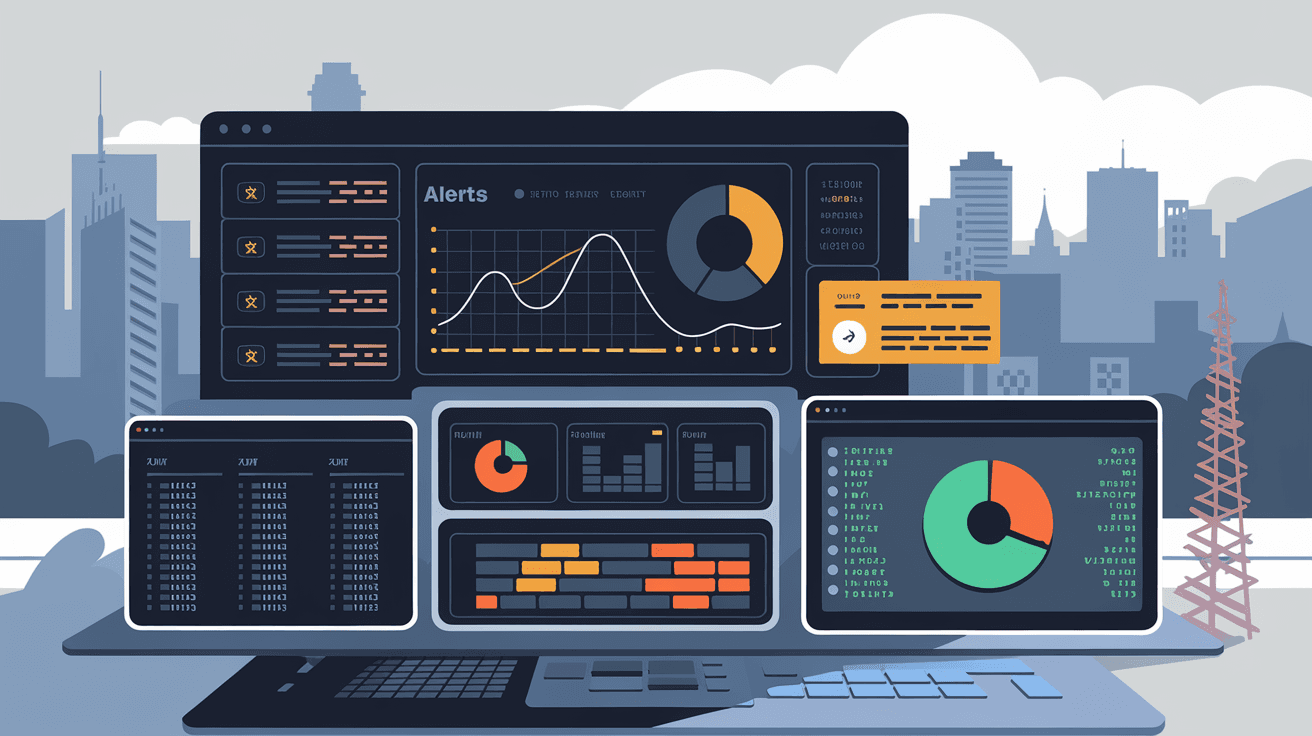
A botnet detection platform is a cybersecurity tool designed to identify and stop botnets. It monitors network traffic, device behavior, and other indicators to detect signs of botnet activity.
These platforms use advanced techniques like machine learning, behavioral analysis, and threat intelligence to spot infected devices quickly. Once detected, the platform can alert security teams or automatically block the malicious traffic.
Key Features of Botnet Detection Platforms
- Real-time monitoring: Tracks network activity continuously to catch threats early.
- Behavioral analysis: Identifies unusual patterns that suggest botnet control.
- Threat intelligence integration: Uses updated data on known botnets and attack methods.
- Automated response: Can isolate infected devices or block harmful traffic instantly.
- Reporting and alerts: Provides detailed insights and notifications for security teams.
How Does a Botnet Detection Platform Work?
Understanding how these platforms work helps you see their value. Here’s a simplified overview of the process:
- Data Collection: The platform gathers data from network devices, servers, and endpoints.
- Traffic Analysis: It examines network traffic for suspicious patterns like repeated connections to command-and-control servers.
- Behavioral Monitoring: The system looks for unusual device behavior, such as sudden spikes in outbound traffic.
- Machine Learning Models: These models compare current data against known botnet behaviors to detect anomalies.
- Alert Generation: If a threat is found, the platform alerts administrators or triggers automated defenses.
- Mitigation: The platform may block traffic, quarantine devices, or initiate further investigation.
Why Is Botnet Detection Important in 2026?
Botnets have evolved and become more sophisticated. In 2026, they are harder to detect because they use encrypted communication, peer-to-peer networks, and AI-driven tactics. This makes botnet detection platforms more critical than ever.
Growing Threats Include:
- IoT Botnets: With billions of connected devices, many lack strong security, making them easy targets.
- AI-Powered Botnets: Attackers use AI to adapt and avoid detection.
- Cloud-Based Botnets: Cloud infrastructure can be exploited to launch large-scale attacks.
Without effective detection, botnets can cause massive financial losses, data breaches, and service disruptions.
Types of Botnet Detection Techniques
Botnet detection platforms use a mix of methods to identify threats. Here are the main types:
Signature-Based Detection
- Relies on known botnet signatures or patterns.
- Works well for known threats but struggles with new or evolving botnets.
Anomaly-Based Detection
- Detects unusual behavior that deviates from normal network activity.
- Useful for spotting new or unknown botnets.
DNS-Based Detection
- Monitors DNS queries for suspicious domains linked to botnet command servers.
- Helps identify botnets communicating with their controllers.
Machine Learning and AI
- Uses algorithms to learn normal network behavior and detect anomalies.
- Can adapt to new threats faster than traditional methods.
Benefits of Using a Botnet Detection Platform
Investing in a botnet detection platform offers several advantages:
- Early Threat Identification: Catch botnets before they cause damage.
- Reduced Downtime: Prevent service interruptions caused by attacks.
- Improved Network Visibility: Understand what’s happening across your network.
- Automated Defense: Respond quickly without waiting for manual intervention.
- Compliance Support: Meet cybersecurity regulations by monitoring and reporting threats.
Challenges in Botnet Detection
While these platforms are powerful, they face challenges:
- False Positives: Sometimes legitimate traffic looks suspicious, causing unnecessary alerts.
- Encrypted Traffic: Encryption can hide malicious activity from detection tools.
- Evolving Botnets: Attackers constantly change tactics to avoid detection.
- Resource Intensive: Monitoring large networks requires significant computing power.
Security teams must balance detection accuracy with operational efficiency.
Popular Botnet Detection Platforms and Tools
Several cybersecurity companies offer botnet detection solutions. Here are some notable examples:
| Platform Name | Key Features | Ideal For |
| Cisco Secure Endpoint | Real-time monitoring, AI analysis | Enterprises and SMBs |
| Darktrace | Behavioral AI, automated response | Large networks, cloud environments |
| CrowdStrike Falcon | Threat intelligence, endpoint detection | Endpoint-heavy environments |
| Palo Alto Networks Cortex XDR | Integrated detection and response | Multi-layered security needs |
| BotHunter (Open Source) | Network traffic analysis | Research and smaller setups |
Choosing the right platform depends on your network size, budget, and security needs.
How to Implement a Botnet Detection Platform
If you’re considering adding a botnet detection platform, here’s a simple roadmap:
- Assess Your Network: Understand your devices, traffic patterns, and vulnerabilities.
- Define Objectives: Decide what you want to protect and what threats concern you most.
- Choose a Platform: Select a solution that fits your technical and budget requirements.
- Deploy and Configure: Install the platform and customize detection rules.
- Train Your Team: Ensure your security staff knows how to use alerts and reports.
- Monitor and Update: Regularly review detection results and update threat intelligence.
Future Trends in Botnet Detection
Looking ahead, botnet detection platforms will continue evolving. Here’s what to expect:
- AI and Automation: More advanced AI will improve detection accuracy and reduce false alarms.
- Integration with Zero Trust: Botnet detection will become part of broader zero-trust security models.
- Cloud-Native Solutions: Platforms will increasingly support cloud environments and hybrid networks.
- Collaboration and Sharing: More threat intelligence sharing between organizations will improve detection.
- Focus on IoT Security: Specialized tools will target the growing IoT botnet threat.
Staying updated on these trends will help you keep your defenses strong.
Conclusion
Now you know that a botnet detection platform is a vital tool for spotting and stopping botnets. These platforms use advanced technology to monitor network activity, detect suspicious behavior, and respond quickly to threats. As botnets become more complex, having a reliable detection system is essential for protecting your data and services.
Whether you manage a small business or a large enterprise, investing in botnet detection can save you from costly cyberattacks. By understanding how these platforms work and what features to look for, you can make smarter security decisions and keep your network safe in 2026 and beyond.
FAQs
What is the main purpose of a botnet detection platform?
Its main purpose is to identify and stop networks of infected devices controlled by attackers, preventing cyberattacks like spam, DDoS, and data theft.
How do botnet detection platforms use AI?
They use AI to analyze network behavior, detect anomalies, and adapt to new threats faster than traditional methods.
Can botnet detection platforms work on IoT devices?
Yes, many platforms now include IoT security features to monitor and protect connected devices vulnerable to botnet infections.
What challenges do botnet detection platforms face?
Challenges include false positives, encrypted traffic hiding threats, evolving botnet tactics, and high resource demands.
Are botnet detection platforms suitable for small businesses?
Yes, there are scalable solutions designed for small businesses that offer essential protection without complex setups.




