
What is Blockchain Threat Monitor
Introduction
You might have heard about blockchain technology and its promise of secure, transparent transactions. But did you know that blockchain networks are not immune to cyber threats? That’s where a Blockchain Threat Monitor comes in. It helps you keep an eye on suspicious activities and potential attacks targeting blockchain systems.
In this article, I’ll explain what a Blockchain Threat Monitor is, how it works, and why it’s crucial for anyone involved in blockchain technology. Whether you’re a developer, investor, or just curious, understanding this tool will help you protect your digital assets and maintain trust in blockchain networks.
What is a Blockchain Threat Monitor?
A Blockchain Threat Monitor is a security tool designed to detect, analyze, and alert users about threats targeting blockchain networks. Unlike traditional cybersecurity tools, it focuses specifically on the unique risks and vulnerabilities found in blockchain environments.
Blockchain networks are decentralized and often public, which means anyone can join and interact with them. While this openness is a strength, it also exposes the network to various attacks like double-spending, 51% attacks, smart contract exploits, and phishing scams. A Blockchain Threat Monitor continuously scans the network for these threats.
Key Functions of a Blockchain Threat Monitor
- Real-time threat detection: Identifies suspicious transactions or behaviors as they happen.
- Vulnerability analysis: Finds weaknesses in smart contracts or blockchain protocols.
- Alerting and reporting: Sends notifications to users or administrators about potential risks.
- Forensic analysis: Helps investigate past incidents to understand attack methods.
- Compliance monitoring: Ensures blockchain activities meet regulatory standards.
By focusing on blockchain-specific threats, this tool helps maintain the integrity and security of the network.
How Does a Blockchain Threat Monitor Work?
A Blockchain Threat Monitor uses a combination of advanced technologies to track and analyze blockchain activities. Here’s a simple breakdown of how it operates:
Data Collection
The monitor collects data from multiple sources, including:
- Blockchain nodes and ledgers
- Smart contract code repositories
- Network traffic and transaction logs
- External threat intelligence feeds
This data provides a comprehensive view of what’s happening on the blockchain.
Threat Detection Techniques
- Pattern recognition: Identifies unusual transaction patterns that may indicate fraud or attacks.
- Behavioral analysis: Monitors user and node behavior to spot anomalies.
- Machine learning: Uses AI models trained on past attack data to predict new threats.
- Signature-based detection: Matches known attack signatures or malware codes.
Alerting and Response
When the monitor detects a potential threat, it immediately alerts the relevant parties. Alerts can be customized based on severity and type of threat. Some systems also offer automated responses, such as blocking suspicious transactions or isolating compromised nodes.
Visualization and Reporting
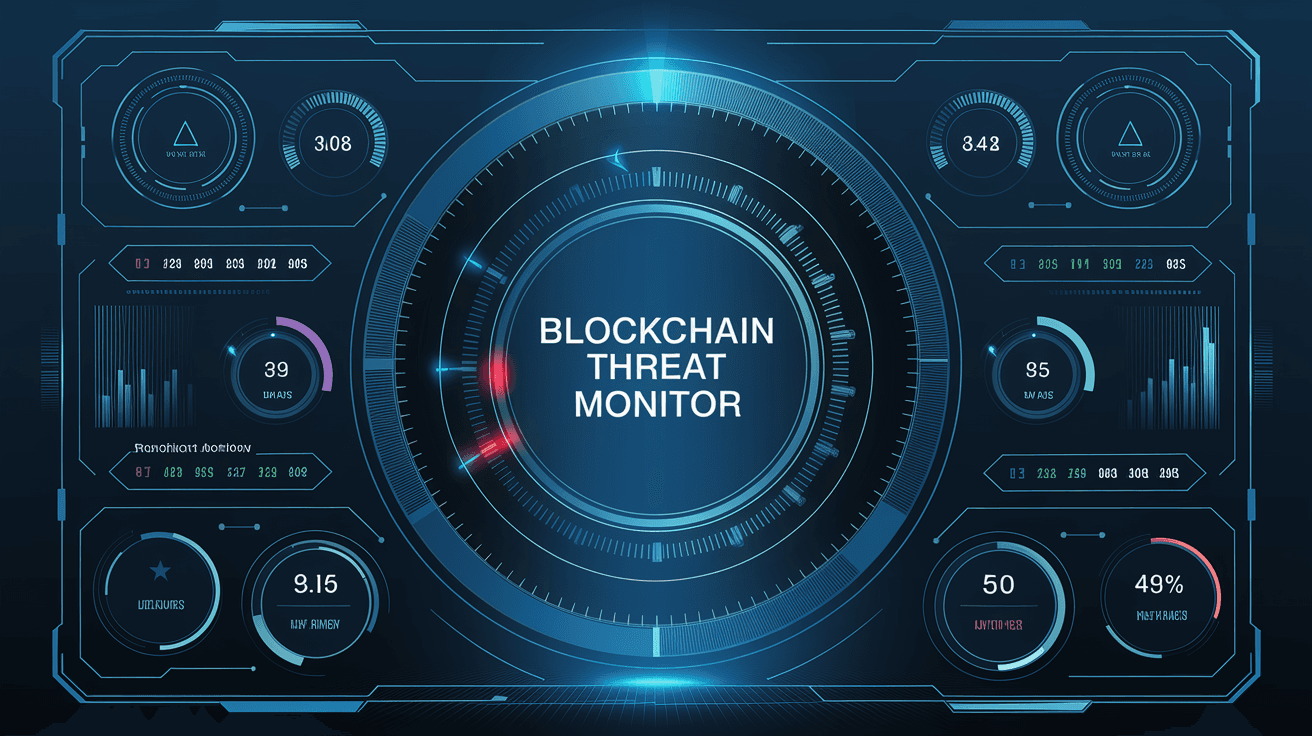
Most Blockchain Threat Monitors provide dashboards that visualize threat data. This helps users quickly understand the security status and take action. Reports can be generated for audits or compliance purposes.
Why is Blockchain Threat Monitoring Important?
Blockchain technology is widely used in finance, supply chain, healthcare, and many other sectors. Protecting these networks is critical because:
1. Blockchain Networks Face Unique Threats
- 51% attacks: When a single entity controls the majority of mining power, they can manipulate transactions.
- Smart contract vulnerabilities: Bugs or flaws in code can be exploited to steal funds.
- Phishing and social engineering: Attackers trick users into revealing private keys or credentials.
- Sybil attacks: Fake identities flood the network to disrupt consensus.
Traditional security tools often miss these blockchain-specific risks.
2. Financial and Data Loss Prevention
Many blockchain applications involve valuable digital assets like cryptocurrencies or sensitive data. A successful attack can lead to significant financial losses or data breaches.
3. Maintaining Trust and Transparency
Blockchain’s value lies in its transparency and immutability. Threat monitoring helps ensure that transactions remain trustworthy and tamper-proof.
4. Regulatory Compliance
Governments and regulators are increasingly focusing on blockchain security. Monitoring tools help organizations comply with laws related to data privacy, anti-money laundering (AML), and fraud prevention.
Examples of Blockchain Threat Monitoring Solutions
Several companies and open-source projects offer Blockchain Threat Monitoring tools. Here are a few examples:
| Solution Name | Features | Use Case |
| Chainalysis Reactor | Transaction monitoring, forensic analysis | Cryptocurrency exchanges |
| CipherTrace | AML compliance, risk scoring | Financial institutions |
| Forta | Real-time smart contract monitoring | Decentralized finance (DeFi) |
| AnChain.AI | AI-driven threat detection | Enterprise blockchain security |
These tools vary in complexity and focus but share the goal of protecting blockchain networks from evolving threats.
How to Choose the Right Blockchain Threat Monitor
Selecting the best threat monitor depends on your specific needs. Consider these factors:
- Network type: Public blockchains like Ethereum require different monitoring than private blockchains.
- Threat focus: Some tools specialize in smart contract security, while others focus on transaction fraud.
- Integration: Ensure the monitor can integrate with your existing blockchain infrastructure.
- Real-time alerts: Fast detection is critical for preventing damage.
- User interface: A clear dashboard helps you understand and act on threats quickly.
- Cost: Balance features with your budget constraints.
You might also want to try demos or trial versions before committing.
Best Practices for Using a Blockchain Threat Monitor
To get the most out of your Blockchain Threat Monitor, follow these tips:
- Regularly update threat intelligence: Keep the system informed about new attack methods.
- Combine with other security tools: Use firewalls, encryption, and identity management alongside monitoring.
- Train your team: Make sure users understand alerts and know how to respond.
- Monitor smart contracts continuously: Since they can be updated or interacted with anytime.
- Audit and review reports: Use monitoring data to improve your overall security posture.
Consistent use of these practices will help you stay ahead of attackers.
Challenges in Blockchain Threat Monitoring
While Blockchain Threat Monitors are powerful, they face some challenges:
- High data volume: Blockchain networks generate massive amounts of data, making real-time analysis complex.
- False positives: Over-alerting can cause alert fatigue and reduce effectiveness.
- Evolving threats: Attackers constantly develop new methods that require adaptive monitoring.
- Privacy concerns: Monitoring must balance security with user privacy and decentralization principles.
- Cross-chain monitoring: As blockchain ecosystems grow, monitoring multiple chains simultaneously is difficult.
Addressing these challenges requires ongoing innovation and collaboration in the blockchain security community.
Conclusion
Understanding what a Blockchain Threat Monitor is and how it works is essential in today’s digital world. These tools help you detect and respond to threats unique to blockchain networks, protecting your assets and maintaining trust. Whether you’re managing a blockchain project or investing in cryptocurrencies, threat monitoring is a key part of your security strategy.
By choosing the right monitoring solution and following best practices, you can stay ahead of attackers and ensure your blockchain activities remain safe and compliant. As blockchain technology evolves, so will the tools designed to protect it, making Blockchain Threat Monitors an indispensable part of the ecosystem.
FAQs
What types of threats can a Blockchain Threat Monitor detect?
It can detect threats like 51% attacks, smart contract vulnerabilities, phishing scams, double-spending, and suspicious transaction patterns specific to blockchain networks.
Can Blockchain Threat Monitors prevent attacks automatically?
Some monitors offer automated responses like blocking suspicious transactions, but many focus on alerting users to take manual action for better control.
Are Blockchain Threat Monitors useful for all blockchain types?
Yes, but the monitoring approach may differ between public, private, and consortium blockchains depending on their structure and use cases.
How do Blockchain Threat Monitors handle privacy concerns?
They balance security and privacy by analyzing transaction metadata without exposing sensitive user information, respecting blockchain’s decentralized nature.
Is Blockchain Threat Monitoring expensive?
Costs vary widely depending on features, scale, and provider. Some open-source tools are free, while enterprise solutions can be costly but offer advanced capabilities.




