
What is Behavioral Analytics Tool
Introduction
You might have heard the term "behavioral analytics tool" and wondered what it really means. If you want to understand how people interact with your website, app, or product, these tools are your best friend. They help you see beyond simple numbers and dive into the “why” behind user actions.
In this article, I’ll explain what a behavioral analytics tool is, how it works, and why it’s so important for businesses today. Whether you’re a marketer, product manager, or just curious, you’ll find useful insights to help you make smarter decisions.
What Is a Behavioral Analytics Tool?
A behavioral analytics tool is software that tracks and analyzes how users behave on digital platforms. Instead of just counting visits or clicks, it looks at the patterns and sequences of actions people take. This helps you understand what users want, what frustrates them, and how they move through your site or app.
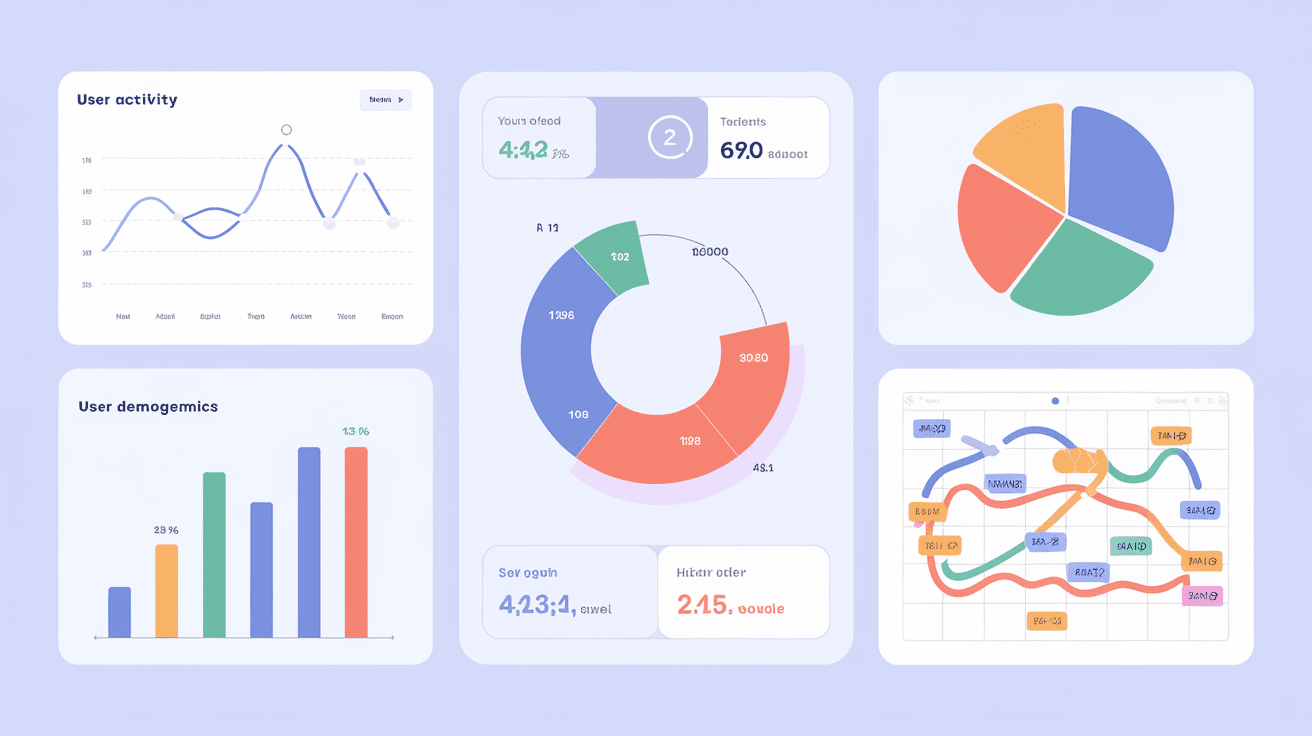
These tools collect data like clicks, scrolls, page views, and time spent on specific features. Then, they use this data to create reports and visualizations that show user journeys and trends. This way, you get a clear picture of user behavior, not just raw numbers.
Key Features of Behavioral Analytics Tools
- User Journey Tracking: Follow the exact path users take.
- Event Tracking: Monitor specific actions like button clicks or form submissions.
- Segmentation: Group users by behavior, demographics, or device.
- Funnels: Analyze steps users take before completing a goal.
- Heatmaps: Visualize where users click or scroll the most.
- Retention Analysis: See how often users return over time.
How Does a Behavioral Analytics Tool Work?
Behavioral analytics tools work by collecting data from your website or app through tracking codes or SDKs (software development kits). These codes record every user interaction and send it to the tool’s servers for processing.
Once the data is collected, the tool organizes it into meaningful patterns. It uses algorithms to identify trends, such as which features are popular or where users drop off. You can then explore this data through dashboards and reports.
Data Collection Methods
- JavaScript Tags: Inserted into web pages to track clicks and navigation.
- Mobile SDKs: Embedded in apps to capture in-app behavior.
- APIs: Connect with other platforms to gather additional data.
- Session Recording: Records user sessions for playback and analysis.
Why Are Behavioral Analytics Tools Important?
Understanding user behavior is crucial for improving user experience and boosting business results. Behavioral analytics tools provide insights that traditional analytics can’t, helping you make data-driven decisions.
For example, if you notice many users drop off at a checkout page, you can investigate and fix the problem. Or, if a feature is rarely used, you might decide to improve or remove it. These insights help you optimize your product and increase customer satisfaction.
Benefits of Using Behavioral Analytics Tools
- Improve User Experience: Identify pain points and smooth user journeys.
- Increase Conversion Rates: Find and fix barriers to completing goals.
- Personalize Marketing: Tailor messages based on user behavior.
- Reduce Churn: Understand why users leave and how to keep them.
- Enhance Product Development: Build features users actually want.
Examples of Popular Behavioral Analytics Tools
There are many behavioral analytics tools available, each with unique strengths. Here are some popular options you might consider:
| Tool Name | Best For | Key Features |
| Mixpanel | Product analytics and funnels | Event tracking, retention, cohorts |
| Amplitude | User behavior and engagement | Behavioral cohorts, path analysis |
| Hotjar | Heatmaps and session recordings | Heatmaps, surveys, session replay |
| Google Analytics 4 | Web and app analytics | Event tracking, funnel analysis |
| Heap | Automatic event tracking | No manual tagging, retroactive data |
Each tool offers different pricing plans and integrations, so you can choose one that fits your needs and budget.
How to Choose the Right Behavioral Analytics Tool for You
Choosing the right tool depends on your goals, technical skills, and budget. Here are some tips to help you decide:
- Define Your Goals: Are you focused on improving conversions, understanding user journeys, or personalizing marketing?
- Consider Your Platform: Some tools work better for websites, others for mobile apps.
- Ease of Use: Look for tools with intuitive dashboards if you’re not a data expert.
- Integration: Check if the tool integrates with your existing software like CRM or email marketing.
- Budget: Compare pricing plans and choose one that fits your financial limits.
How to Get Started with Behavioral Analytics Tools
Getting started is easier than you might think. Here’s a simple step-by-step guide:
- Choose Your Tool: Pick one that matches your needs.
- Install Tracking Code: Add the tool’s code to your website or app.
- Define Events: Decide which user actions you want to track.
- Set Up Funnels: Create funnels to monitor key processes like sign-ups or purchases.
- Analyze Data: Use dashboards to explore user behavior.
- Take Action: Use insights to improve your product or marketing.
Common Use Cases for Behavioral Analytics Tools
Behavioral analytics tools are used across many industries and purposes. Here are some common examples:
- E-commerce: Track shopping cart abandonment and optimize checkout.
- SaaS Products: Understand feature usage and improve onboarding.
- Media Websites: Analyze content engagement and personalize recommendations.
- Mobile Apps: Monitor in-app behavior to reduce churn.
- Marketing Campaigns: Measure how users respond to ads and emails.
Challenges and Limitations of Behavioral Analytics Tools
While these tools are powerful, they have some limitations you should be aware of:
- Privacy Concerns: Collecting user data requires compliance with laws like GDPR and CCPA.
- Data Overload: Too much data can be overwhelming without clear goals.
- Implementation Complexity: Setting up tracking correctly can be technical.
- Interpretation: Data needs context; wrong conclusions can lead to poor decisions.
Being mindful of these challenges helps you use behavioral analytics tools more effectively.
Conclusion
Behavioral analytics tools are essential for anyone who wants to understand how users interact with their digital products. They go beyond basic metrics to reveal the reasons behind user actions. By using these tools, you can improve user experience, increase conversions, and make smarter business decisions.
If you want to stay competitive in today’s digital world, learning how to use behavioral analytics tools is a smart move. Start by choosing the right tool, tracking key behaviors, and using the insights to create better experiences for your users.
FAQs
What is the main difference between behavioral analytics and traditional analytics?
Behavioral analytics focuses on user actions and patterns, while traditional analytics mainly tracks page views and visits. Behavioral tools help understand the "why" behind user behavior.
Can behavioral analytics tools track mobile app usage?
Yes, many behavioral analytics tools offer SDKs to track in-app user behavior, including clicks, screen views, and feature usage.
Are behavioral analytics tools compliant with privacy laws?
Most modern tools include features to help comply with privacy regulations like GDPR and CCPA, but you must configure them properly and inform users.
How do behavioral analytics tools improve conversion rates?
They identify where users drop off in a process, allowing you to fix issues and streamline user journeys to boost conversions.
Is technical knowledge required to use behavioral analytics tools?
Basic setup may require some technical skills, but many tools offer user-friendly dashboards for non-experts to analyze data and gain insights.




