
What is Behavior-Based Detection
Introduction
You might have heard about behavior-based detection in cybersecurity but wondered what it really means. It’s a smart way to spot threats by watching how things act, not just what they look like. This method helps catch new and hidden dangers that traditional tools might miss.
In this article, I’ll explain what behavior-based detection is, how it works, and why it’s becoming a must-have for protecting your devices and data. By the end, you’ll understand why this approach is changing the way we fight cyber threats.
What is Behavior-Based Detection?
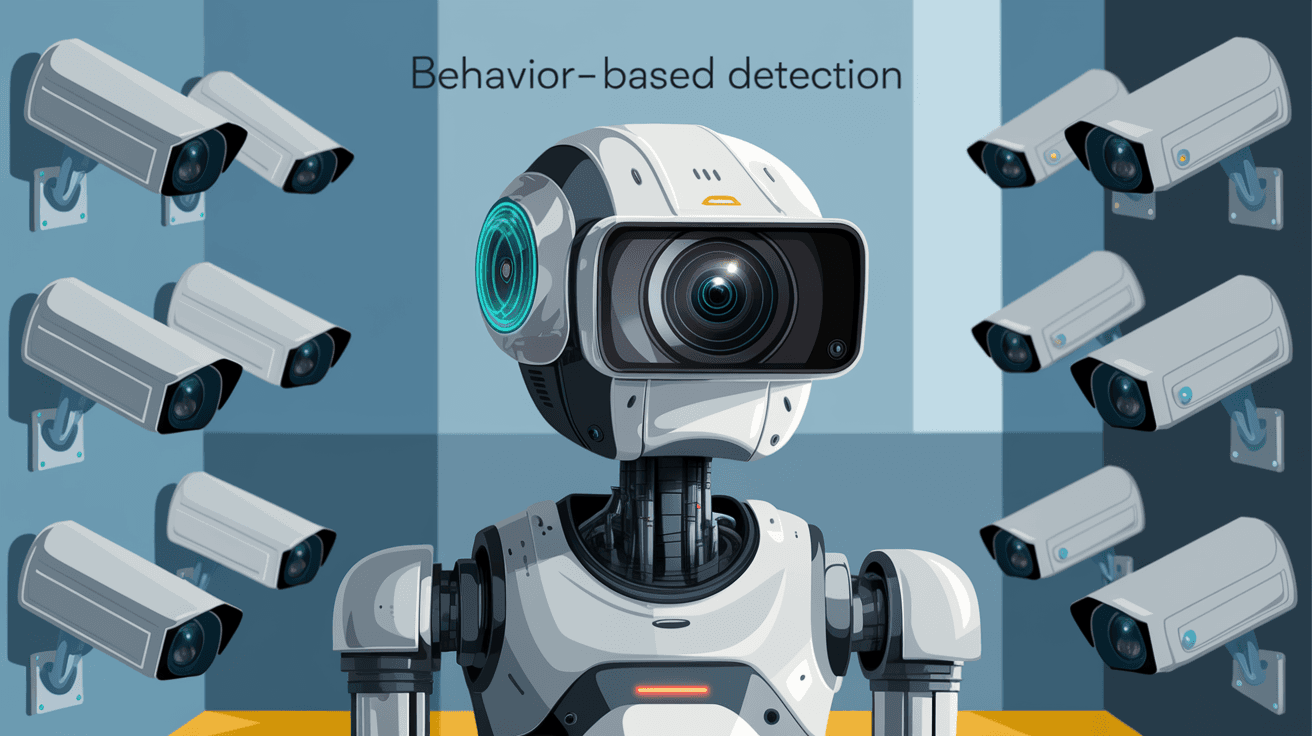
Behavior-based detection is a security technique that identifies threats by monitoring unusual or suspicious actions rather than relying on known signatures or patterns. Instead of looking for specific malware codes, it watches how programs or users behave and flags anything out of the ordinary.
This method is different from signature-based detection, which depends on a database of known threats. Behavior-based detection can spot new, unknown, or modified attacks because it focuses on what the threat does, not what it looks like.
Key Features of Behavior-Based Detection
- Monitors real-time activities: Tracks how software and users interact with systems.
- Detects anomalies: Flags behaviors that don’t fit normal patterns.
- Adapts to new threats: Can identify zero-day attacks and polymorphic malware.
- Reduces false negatives: Finds threats that signature-based tools might miss.
How Does Behavior-Based Detection Work?
Behavior-based detection works by establishing a baseline of normal behavior for users, devices, or applications. Once this baseline is set, the system continuously monitors activities and compares them to expected patterns. When it detects deviations, it raises alerts or takes action.
Steps Involved in Behavior-Based Detection
- Baseline Creation: The system learns what normal behavior looks like over time.
- Continuous Monitoring: It watches ongoing activities in real-time.
- Anomaly Detection: Identifies actions that differ from the baseline.
- Alerting or Blocking: Notifies security teams or automatically stops suspicious behavior.
For example, if a user suddenly downloads large amounts of data at odd hours or a program tries to access restricted files, behavior-based detection will flag these as suspicious.
Technologies Behind Behavior-Based Detection
- Machine Learning: Helps systems learn normal behavior and improve detection accuracy.
- Artificial Intelligence: Analyzes complex patterns and predicts threats.
- User and Entity Behavior Analytics (UEBA): Focuses on user actions to spot insider threats.
- Endpoint Detection and Response (EDR): Monitors endpoints for unusual activities.
Why is Behavior-Based Detection Important?
Cyber threats are evolving fast, and attackers use new tricks to bypass traditional defenses. Behavior-based detection is important because it offers a proactive way to catch threats early, even if they are unknown or disguised.
Benefits of Behavior-Based Detection
- Detects Unknown Threats: Finds zero-day attacks and new malware variants.
- Improves Incident Response: Alerts security teams quickly for faster action.
- Reduces False Positives: Learns normal behavior to avoid unnecessary alerts.
- Protects Against Insider Threats: Spots unusual user actions that may indicate malicious intent.
- Complements Other Security Tools: Works alongside signature-based detection for better coverage.
Applications of Behavior-Based Detection
Behavior-based detection is used in various areas of cybersecurity to enhance protection and response.
Network Security
It monitors network traffic for unusual patterns, such as unexpected data transfers or connections to suspicious IP addresses. This helps detect threats like data exfiltration or command-and-control communications.
Endpoint Security
On devices like laptops and smartphones, behavior-based detection watches for unusual processes or file changes. This can stop ransomware or spyware before they cause damage.
Cloud Security
In cloud environments, it tracks user activities and access patterns to prevent unauthorized access or data breaches.
Fraud Detection
Beyond cybersecurity, behavior-based detection is used in finance to spot fraudulent transactions by analyzing spending patterns.
Challenges of Behavior-Based Detection
While behavior-based detection offers many advantages, it also faces some challenges.
False Positives
Sometimes normal but rare behaviors can be flagged as suspicious, causing alert fatigue for security teams.
Complexity
Setting up accurate baselines and tuning detection systems requires expertise and time.
Privacy Concerns
Monitoring user behavior may raise privacy issues, so organizations must balance security with respect for user data.
Resource Intensive
Continuous monitoring and analysis can demand significant computing power and storage.
Best Practices for Implementing Behavior-Based Detection
To get the most out of behavior-based detection, consider these tips:
- Start with Clear Baselines: Define what normal looks like for your environment.
- Use Machine Learning Wisely: Combine automated learning with human oversight.
- Integrate with Other Tools: Use behavior-based detection alongside signature-based and threat intelligence solutions.
- Regularly Update Models: Keep behavior profiles current to adapt to changes.
- Train Your Team: Ensure security staff understand how to interpret alerts and respond effectively.
Behavior-Based Detection vs. Signature-Based Detection
Understanding the difference between these two methods helps you see why behavior-based detection is gaining ground.
| Feature | Behavior-Based Detection | Signature-Based Detection |
| Detection Method | Monitors actions and anomalies | Matches known threat signatures |
| Threat Coverage | Unknown, zero-day, polymorphic threats | Known malware and viruses |
| False Positives | Can be higher without tuning | Generally lower but misses new threats |
| Response Time | Real-time anomaly alerts | Depends on signature updates |
| Adaptability | Learns and adapts over time | Requires manual updates |
Future of Behavior-Based Detection
As cyber threats become more sophisticated, behavior-based detection will continue to evolve. Advances in AI and machine learning will make it more accurate and faster. Integration with other security technologies will create stronger defense systems.
We can expect behavior-based detection to play a bigger role in areas like:
- IoT Security: Monitoring smart devices for unusual behavior.
- Automated Response: Systems that not only detect but also automatically block threats.
- Cross-Platform Protection: Coordinating detection across cloud, mobile, and on-premises environments.
Conclusion
Behavior-based detection is a powerful tool that watches how users and programs behave to spot threats early. Unlike traditional methods, it doesn’t rely on known signatures but focuses on detecting unusual actions. This makes it essential for defending against new and hidden cyberattacks.
By understanding how behavior-based detection works and its benefits, you can better protect your systems and data. Whether you’re managing a business network or personal devices, this approach adds a smart layer of security that adapts to today’s fast-changing threat landscape.
FAQs
What types of threats can behavior-based detection identify?
It can detect unknown malware, zero-day attacks, insider threats, ransomware, and suspicious user activities by spotting unusual behavior patterns.
How does behavior-based detection reduce false positives?
By learning normal behavior over time, it distinguishes between harmless anomalies and real threats, reducing unnecessary alerts.
Can behavior-based detection work alone?
It’s best used alongside signature-based detection and other security tools for comprehensive protection.
Is behavior-based detection resource-heavy?
Yes, it requires continuous monitoring and analysis, which can demand significant computing power and storage.
How does behavior-based detection protect against insider threats?
It monitors user actions and flags unusual activities that may indicate malicious intent or policy violations.




