What is Authorization
Introduction
When you hear the word "authorization," you might wonder what it really means and why it matters. Authorization is a key part of how systems keep information safe and make sure only the right people can access certain resources. Whether you’re logging into an app or entering a secure building, authorization is working behind the scenes.
In this article, I’ll explain what authorization is, how it differs from related concepts like authentication, and why it’s so important in today’s digital world. You’ll also learn about common methods of authorization and how it helps protect your data and privacy.
What Is Authorization?
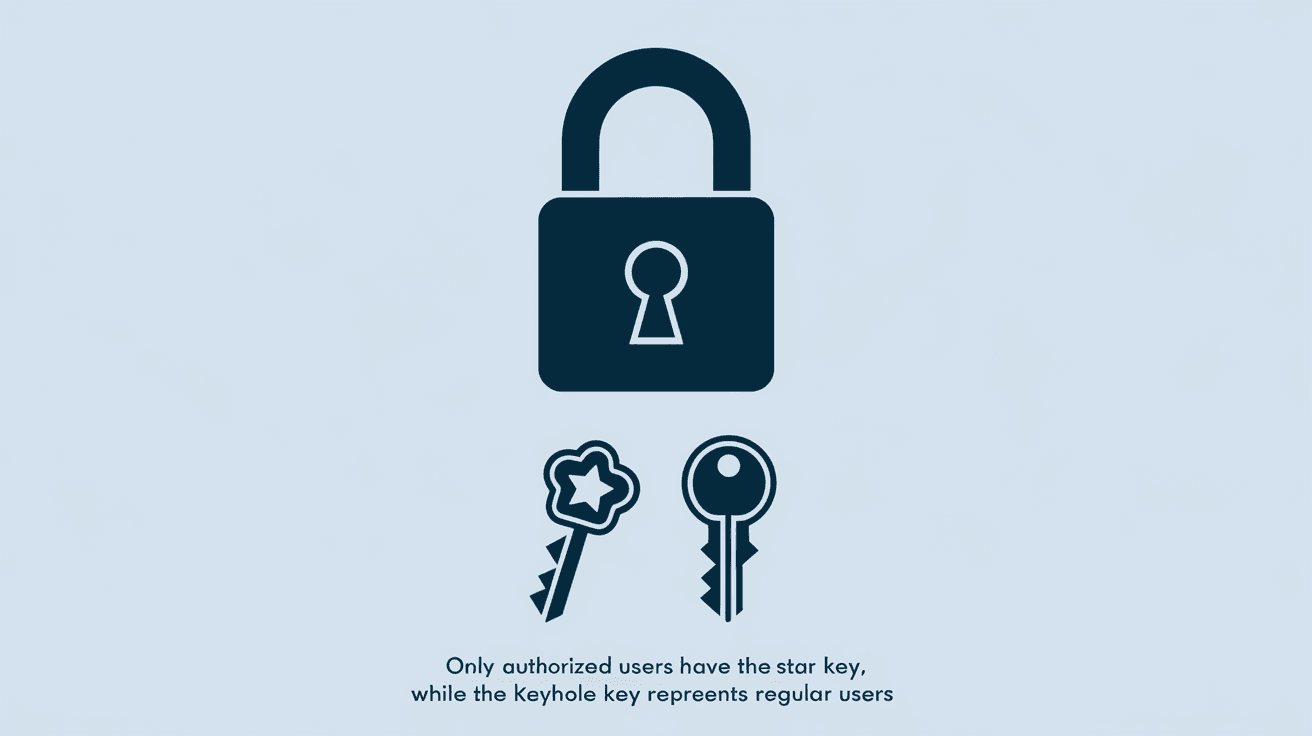
Authorization is the process of giving someone permission to do something or access specific resources. It answers the question: "Are you allowed to do this?" After a system verifies who you are (authentication), it checks what you’re allowed to do (authorization).
For example, when you log into your email, authentication confirms your identity with your username and password. Authorization then decides if you can read emails, send messages, or change settings. Without authorization, anyone who logs in could do anything, which would be risky.
Key Points About Authorization
- Determines access rights and permissions.
- Happens after authentication.
- Controls what actions a user or system can perform.
- Protects sensitive data and resources.
Authorization is essential for security because it limits access based on roles, rules, or policies. It ensures users only get the access they need, reducing the chance of misuse or data breaches.
How Authorization Differs from Authentication
People often confuse authorization with authentication, but they are different steps in security.
- Authentication is about verifying identity. It asks, "Who are you?"
- Authorization is about granting permissions. It asks, "What can you do?"
Think of it like entering a building:
- Authentication is showing your ID at the door.
- Authorization is the security guard deciding which rooms you can enter.
Both are necessary for secure systems, but they serve different purposes.
Common Types of Authorization
There are several ways systems handle authorization. Here are the most common types:
Role-Based Access Control (RBAC)
RBAC assigns permissions based on a user’s role in an organization. For example:
- An employee in sales can view customer data.
- A manager can edit reports.
- An admin has full access.
This method is simple and widely used because roles often match job functions.
Attribute-Based Access Control (ABAC)
ABAC uses attributes like user location, time of access, or device type to decide permissions. For example:
- Access allowed only during business hours.
- Access blocked from certain countries.
- Access granted only on company devices.
ABAC is flexible and adapts to complex policies.
Discretionary Access Control (DAC)
In DAC, the owner of a resource decides who can access it. For example, a file owner can share it with specific users. This method gives users control but can be less secure if not managed carefully.
Mandatory Access Control (MAC)
MAC is a strict model where access is controlled by a central authority based on security labels. It’s common in government or military systems where data classification is critical.
How Authorization Works in Practice
Authorization usually happens through software systems that check permissions before allowing actions. Here’s a simple example:
- You log into an app (authentication).
- The app checks your user role or attributes.
- It compares your permissions with the requested action.
- If allowed, you proceed; if not, you get an error or denial message.
This process can involve databases, access control lists (ACLs), or policy engines that store and enforce rules.
Examples of Authorization in Daily Life
- Banking apps: Only you can view your account, but bank staff may have limited access to assist you.
- Social media: You control who sees your posts through privacy settings.
- Work software: Employees access files based on their department and job role.
Why Authorization Is Important
Authorization protects your data and systems from unauthorized use. Here’s why it matters:
- Security: Prevents hackers or insiders from accessing sensitive information.
- Privacy: Ensures personal data is only seen by authorized people.
- Compliance: Helps organizations meet legal requirements like GDPR or HIPAA.
- Operational control: Limits actions users can perform, reducing errors or damage.
Without proper authorization, systems are vulnerable to attacks, data leaks, and misuse.
Challenges in Authorization
While authorization is critical, it comes with challenges:
- Complex policies: Managing detailed rules for many users can be difficult.
- Scalability: Large organizations need systems that handle thousands of users efficiently.
- Dynamic environments: Cloud and mobile access require flexible authorization methods.
- User experience: Balancing security with ease of use is tricky.
Organizations often use advanced tools and automation to address these challenges.
Modern Trends in Authorization
Authorization continues to evolve with technology. Some recent trends include:
- Zero Trust Security: Assumes no user or device is trusted by default, requiring continuous authorization checks.
- Context-Aware Authorization: Uses real-time data like location or behavior to adjust permissions dynamically.
- Decentralized Identity: Gives users more control over their identity and access rights using blockchain or similar tech.
- API Authorization: Secures communication between software applications using tokens and scopes.
These trends aim to improve security while adapting to modern digital needs.
How You Can Manage Authorization Safely
If you’re responsible for managing authorization, here are some tips:
- Use the principle of least privilege: Give users only the access they need.
- Regularly review and update permissions.
- Implement multi-factor authentication alongside authorization.
- Use centralized tools to manage roles and policies.
- Monitor access logs for unusual activity.
These steps help keep your systems secure and compliant.
Conclusion
Authorization is a vital part of security that controls who can access what in a system. It works hand-in-hand with authentication to protect data and resources. Understanding how authorization works and the different methods used can help you appreciate its role in everyday technology.
Whether you’re using apps, working in an organization, or managing IT systems, authorization ensures that access is granted safely and appropriately. Staying informed about modern authorization trends and best practices can help you keep your digital life secure.
FAQs
What is the difference between authorization and authentication?
Authentication verifies who you are, while authorization decides what you’re allowed to do. Authentication comes first, then authorization controls access based on permissions.
Why is authorization important for security?
Authorization limits access to sensitive data and actions, reducing risks of misuse, data breaches, and unauthorized changes in systems.
What is Role-Based Access Control (RBAC)?
RBAC assigns permissions based on user roles, like employee or admin, making it easier to manage access according to job functions.
How does Attribute-Based Access Control (ABAC) work?
ABAC uses user attributes like location, time, or device to determine access, allowing flexible and context-aware permission decisions.
Can authorization be bypassed?
If not properly implemented, authorization can be bypassed through vulnerabilities or insider threats, which is why strong policies and monitoring are essential.