
What is Advanced Threat Protection Suite
Introduction
You might have heard about Advanced Threat Protection Suites but wonder what they really do. In today’s digital world, cyber threats are more complex and dangerous than ever. Your personal data, business information, and even your devices can be at risk. That’s where an Advanced Threat Protection Suite comes in—it helps protect you from these evolving dangers.
We’ll explore what this suite is, how it works, and why it’s important for anyone who uses technology. Whether you’re a business owner or just someone who wants to stay safe online, understanding this tool can make a big difference.
What is an Advanced Threat Protection Suite?
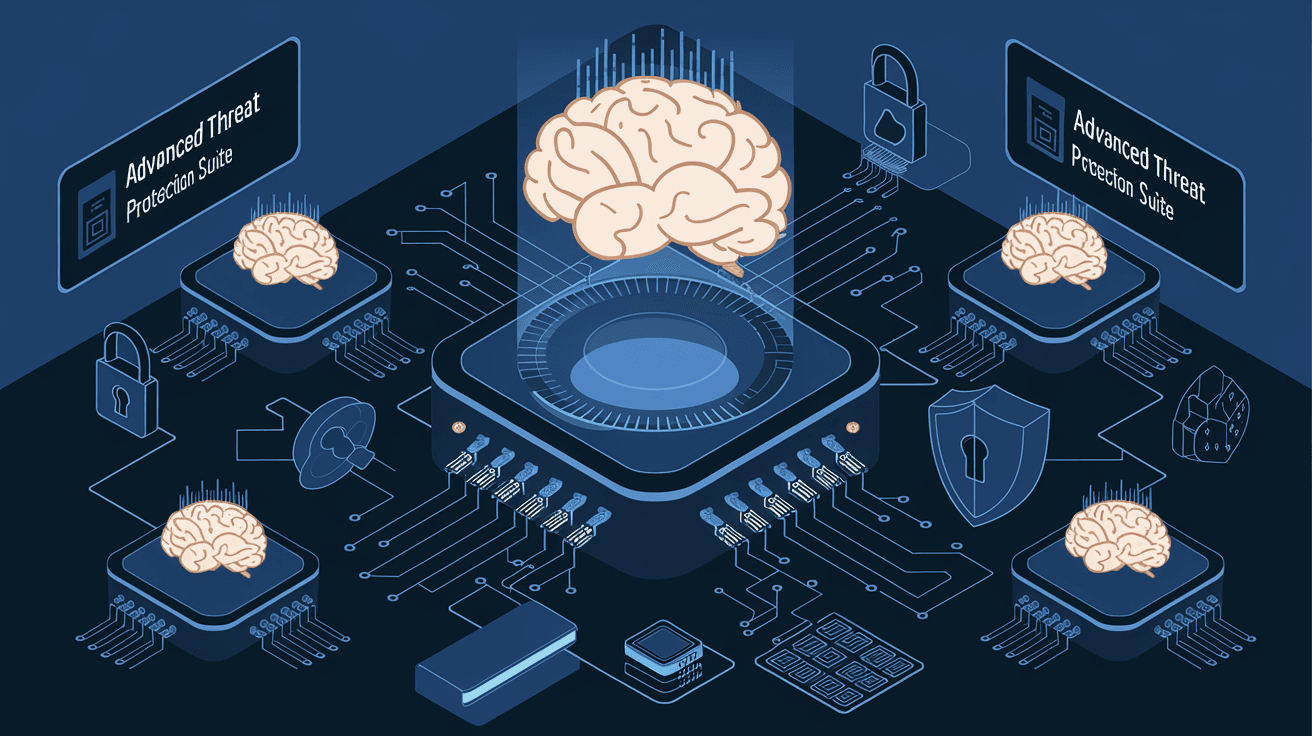
An Advanced Threat Protection (ATP) Suite is a collection of security tools designed to detect, prevent, and respond to sophisticated cyber threats. Unlike basic antivirus software, ATP suites focus on identifying complex attacks that traditional security might miss.
These suites combine multiple technologies to provide a layered defense. They protect against malware, ransomware, phishing, zero-day exploits, and other advanced cyberattacks. The goal is to stop threats before they cause harm and quickly respond if an attack happens.
Key Features of ATP Suites
- Real-time threat detection: Constantly monitors your systems for suspicious activity.
- Behavioral analysis: Identifies unusual behavior that might indicate an attack.
- Threat intelligence integration: Uses global data to recognize new threats.
- Automated response: Takes immediate action to isolate or remove threats.
- Multi-layered protection: Combines firewalls, antivirus, email security, and more.
How Does an Advanced Threat Protection Suite Work?
An ATP suite works by combining several security techniques to spot and stop threats early. It uses advanced algorithms and machine learning to analyze data from your network, devices, and applications.
Step-by-Step Process
- Data Collection: The suite gathers information from endpoints, emails, web traffic, and cloud services.
- Threat Detection: It scans for known malware signatures and unusual patterns.
- Behavioral Analysis: The system looks for abnormal activities, like unexpected file changes or network connections.
- Threat Intelligence: It compares findings with global threat databases to identify new risks.
- Automated Response: If a threat is detected, the suite can quarantine files, block access, or alert security teams.
- Reporting and Forensics: Provides detailed reports to help understand and prevent future attacks.
Technologies Used in ATP Suites
- Sandboxing: Runs suspicious files in a safe environment to observe behavior.
- Machine Learning: Learns from past attacks to improve detection.
- Endpoint Detection and Response (EDR): Monitors and responds to threats on devices.
- Email Security: Filters phishing and malicious attachments.
- Network Traffic Analysis: Watches for unusual data flows.
Why Do You Need an Advanced Threat Protection Suite?
Cyber threats are evolving rapidly. Attackers use new methods to bypass traditional security tools. An ATP suite offers stronger protection by focusing on these advanced threats.
Benefits for Individuals and Businesses
- Protects sensitive data: Keeps your personal and business information safe.
- Reduces downtime: Stops attacks before they disrupt your operations.
- Improves compliance: Helps meet security regulations and standards.
- Saves money: Prevents costly breaches and data loss.
- Enhances visibility: Gives you a clear picture of your security status.
Real-World Examples
- A company avoided a ransomware attack because their ATP suite detected suspicious email attachments early.
- An individual’s laptop was saved from a zero-day exploit thanks to behavioral analysis in their ATP software.
- Organizations using ATP suites report faster incident response times and fewer successful breaches.
Components of a Typical Advanced Threat Protection Suite
An ATP suite is not just one tool but a combination of several security solutions working together.
Common Components
| Component | Purpose |
| Endpoint Protection | Secures devices like laptops and smartphones |
| Email Security | Blocks phishing and malicious emails |
| Network Security | Monitors and controls network traffic |
| Cloud Security | Protects cloud applications and data |
| Threat Intelligence | Provides up-to-date information on threats |
| Incident Response Tools | Helps analyze and respond to attacks |
Each component plays a role in creating a comprehensive defense system.
How to Choose the Right Advanced Threat Protection Suite
Choosing the right ATP suite depends on your needs, budget, and environment. Here are some tips to help you decide:
Considerations
- Scope of protection: Does it cover endpoints, email, cloud, and network?
- Ease of use: Is the interface user-friendly for your team?
- Integration: Can it work with your existing security tools?
- Threat intelligence: Does it update regularly with new threat data?
- Automation: Does it offer automatic responses to threats?
- Support and updates: Is customer support reliable and frequent updates provided?
Popular ATP Suites in 2026
- Microsoft Defender for Endpoint
- Symantec Advanced Threat Protection
- Cisco SecureX
- CrowdStrike Falcon
- Palo Alto Networks Cortex XDR
Each has unique strengths, so evaluate based on your specific requirements.
Implementing an Advanced Threat Protection Suite
Installing and using an ATP suite effectively requires planning and training.
Steps to Implement
- Assess your current security posture: Identify gaps and risks.
- Select the right ATP suite: Based on your needs and budget.
- Plan deployment: Decide which systems and users to protect first.
- Train your team: Ensure everyone understands how to use the tools.
- Monitor and update: Regularly check alerts and keep the software updated.
- Review and improve: Use reports to strengthen your security over time.
Tips for Success
- Involve IT and security teams early.
- Combine ATP with employee awareness training.
- Regularly test your defenses with simulated attacks.
- Keep backup systems ready in case of an incident.
Challenges and Limitations of Advanced Threat Protection Suites
While ATP suites are powerful, they are not perfect. Understanding their limitations helps you stay prepared.
Common Challenges
- False positives: Sometimes legitimate activities are flagged as threats.
- Complexity: Managing multiple tools can be overwhelming.
- Cost: Advanced suites can be expensive for small businesses.
- Evolving threats: Attackers constantly develop new methods.
- User behavior: Human error can still lead to breaches.
How to Overcome These Challenges
- Customize alert settings to reduce false positives.
- Provide ongoing training for your security team.
- Choose scalable solutions that fit your budget.
- Stay informed about the latest cyber threats.
- Promote strong security habits among users.
Conclusion
An Advanced Threat Protection Suite is essential for anyone serious about cybersecurity. It offers a powerful, multi-layered defense against today’s sophisticated cyber threats. By combining real-time detection, behavioral analysis, and automated response, these suites help protect your data and devices from harm.
Whether you’re protecting a business or your personal information, investing in an ATP suite can save you time, money, and stress. Understanding how these tools work and choosing the right one for your needs will keep you safer in an increasingly dangerous digital world.
FAQs
What types of threats does an Advanced Threat Protection Suite detect?
It detects malware, ransomware, phishing attacks, zero-day exploits, and other advanced cyber threats by analyzing behavior and using threat intelligence.
Can an ATP suite protect cloud environments?
Yes, many ATP suites include cloud security features to protect cloud applications and data from cyber threats.
How is ATP different from traditional antivirus software?
ATP suites offer multi-layered protection with real-time detection, behavioral analysis, and automated response, while traditional antivirus mainly relies on signature-based detection.
Is an ATP suite suitable for small businesses?
Yes, there are scalable ATP solutions designed for small businesses that provide strong protection without excessive cost.
How often should an ATP suite be updated?
It should be updated regularly, often automatically, to stay effective against new and evolving cyber threats.




